It was a Saturday morning in July. Sandra, a recently retired schoolteacher who had just bought her dream home near Dunedin, stepped outside with her coffee — and immediately felt the wall of heat. By 8 a.m., it was already 89°F with the kind of sticky humidity that makes everything feel twice as hard.
Her backyard was supposed to be her sanctuary. Instead, it was a battleground. The St. Augustine grass she’d paid to have installed was turning yellow in patches, overrun by weeds and fungus. Her flowering shrubs drooped under the relentless sun. The sprinkler system ran every day and still, half the yard looked thirsty. Every weekend was swallowed by mowing, watering, pulling, and patching — and nothing seemed to stick.
“I just want something beautiful that doesn’t make me miserable,” she told her neighbor. Sound familiar?
If you’ve ever stood in your Florida yard wondering why it takes so much work just to keep things alive — let alone looking good — this post is for you. Whether you’re a new homeowner, a busy professional, or someone who simply wants a yard they can actually enjoy, there’s a smarter way to approach your outdoor space. It starts with understanding what Florida-Friendly Landscaping Tampa Bay actually means — and why it changes everything.
What Is Landscape Design in a Pinellas Context?
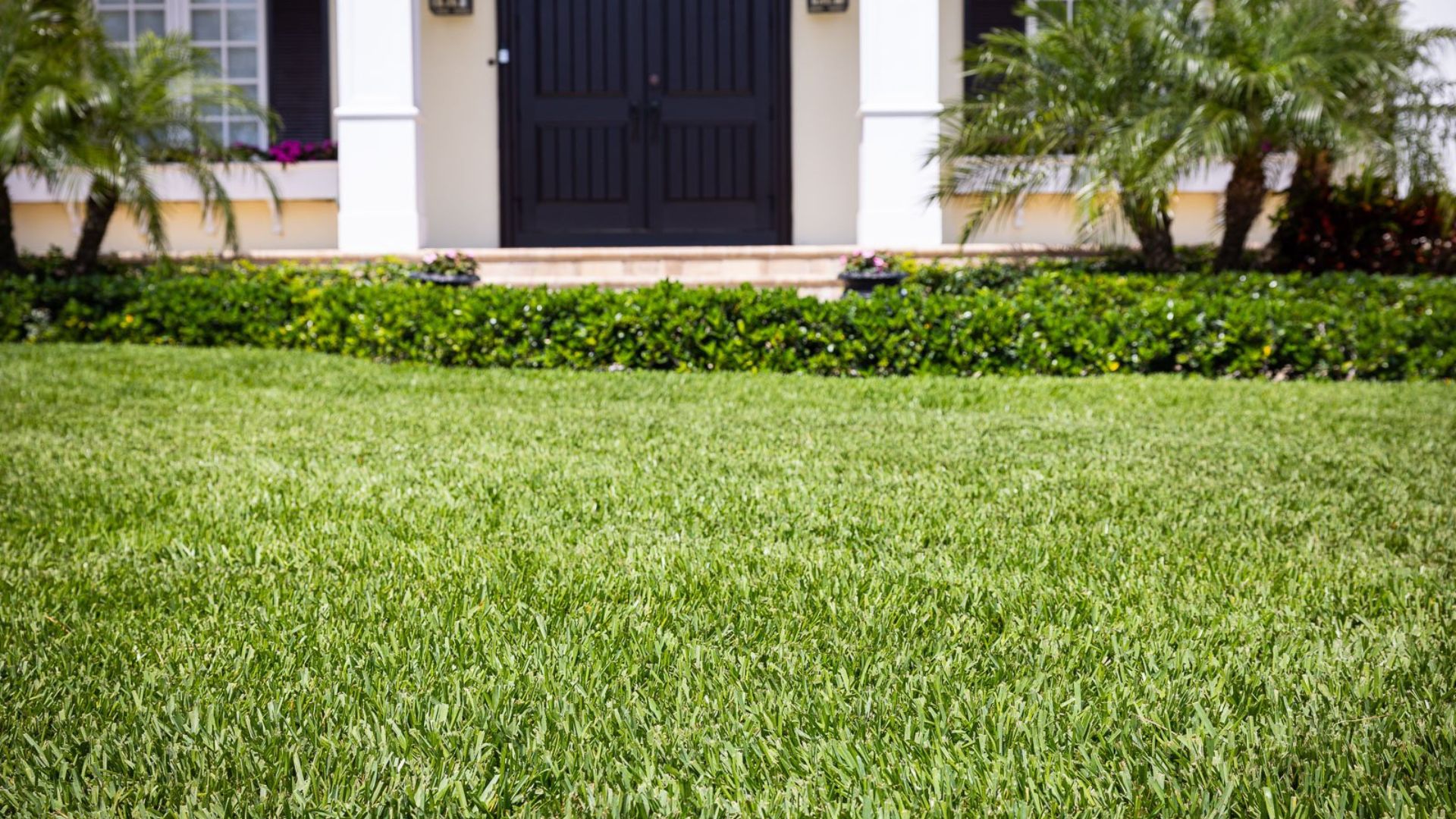
Landscape design isn’t just about planting pretty flowers. In Pinellas County, it’s a deliberate strategy that works with Florida’s unique environment rather than fighting against it. It means selecting plants that thrive in sandy soils, managing stormwater runoff, preserving the natural beauty of the Gulf Coast region, and designing outdoor spaces that serve your lifestyle — not the other way around.
For homeowners across Pinellas, from St. Petersburg to Clearwater to Palm Harbor, thoughtful landscape design can dramatically reduce the time, money, and frustration you spend on your yard. It can also increase your property’s value — and your quality of life — in ways that generic lawn care simply cannot.
The Florida-Friendly Landscaping program, developed by the University of Florida, provides a science-backed framework for creating landscapes that are both beautiful and environmentally responsible. At Pinellas Landscape Design & Property Maintenance, we build on those principles every day.
Understanding Florida’s Climate Challenges
Florida is gorgeous — and genuinely unforgiving. Before choosing a plant, a layout, or a maintenance schedule, it’s important to understand exactly what you’re working with.
Here in Pinellas County, we deal with an intense summer rainy season (June through September), prolonged drought periods in spring and fall, salt air near the coast, alkaline soil in some areas and sandy, nutrient-poor soil in others, and the constant threat of tropical storms that can uproot poorly planned landscapes in an afternoon.
Add in the blazing UV exposure — Florida receives more solar radiation than almost any other state — and you begin to understand why the wrong plants wilt, the wrong grass dies, and the wrong irrigation system floods your yard while still leaving the roots dry.
60% of household water use in Florida goes toward outdoor irrigation — much of it wasted on non-native plants not suited to the local climate. Switching to native and Florida-Friendly plantings can cut that figure nearly in half. (Source: University of Florida IFAS Extension)
The good news? When you design your landscape for Florida’s reality rather than against it, everything gets easier. Plants stay healthier. Water bills drop. Maintenance time shrinks. And your yard actually looks the way you imagined it would when you bought your home.
Popular Landscaping Styles for Pinellas Homes
There’s no single right answer for every property, but a few core styles consistently work beautifully across the Tampa Bay region. The best choice depends on your lifestyle, aesthetic preferences, and how much maintenance you’re realistically willing to do.
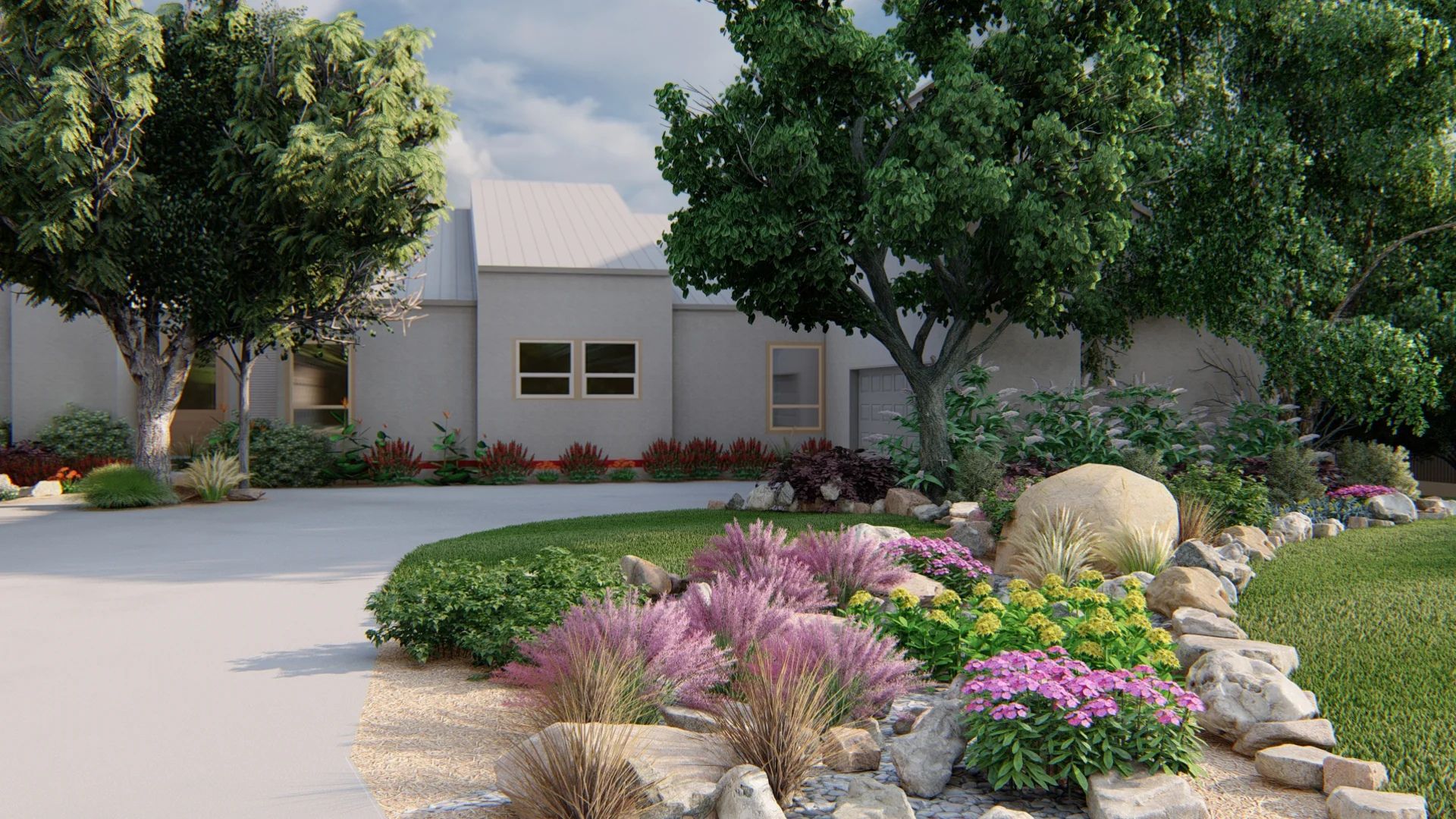
Florida Native Gardens Plants indigenous to the region — firebush, coontie, blue porterwort, muhly grass. Virtually self-sustaining once established and genuinely stunning. | Tropical Lush Bold heliconia, bird-of-paradise, and philodendron create a resort feel. Dramatic, year-round color and texture. | Coastal & Xeriscape Ideal for waterfront or salt-exposed properties. Agave, sea oats, and ornamental grasses deliver clean, modern elegance. | Modern Minimalist Structured hardscaping with pavers and gravel, paired with native plantings. Perfect for busy professionals. |
For eco-conscious homeowners and real estate developers alike, Green Landscaping Pinellas County approaches — especially those incorporating Native Landscaping Pinellas County principles — also carry increasing appeal in today’s market. Buyers notice sustainable, low-maintenance yards. And they pay for them.
What Does Professional Landscaping Cost in Tampa Bay?
Pricing varies based on lot size, project scope, and materials, but here’s a realistic breakdown for typical residential projects in the Tampa Bay and Pinellas area:
| Service | Typical Range | Notes |
|---|---|---|
| Initial Design Consultation | $150 – $400 | Often credited toward full project |
| Full Front-Yard Redesign | $3,000 – $8,000 | Includes plants, mulch, edging |
| Native Garden Installation | $2,500 – $6,500 | Lower long-term maintenance cost |
| Irrigation System Upgrade | $1,200 – $3,500 | Smart controllers save water & money |
| Ongoing Monthly Maintenance | $150 – $350/mo | Varies by lot size and scope |
Think of professional landscaping less as a cost and more as an investment. Well-executed curb appeal can add 5–15% to a home’s resale value — and in Pinellas County’s competitive real estate market, a beautifully designed exterior often means a faster sale at a higher price.
Timeline & What the Process Looks Like
One of the most common questions we hear is: “How long will this take?” Here’s a realistic overview of a typical residential landscape project in Pinellas.
- Consultation & Site Assessment (Week 1): We walk the property, assess soil, drainage, sun exposure, and your vision. We talk about lifestyle — do you want a play area? An entertaining space? Privacy screening?
- Design Proposal (Weeks 1–2): You receive a detailed plan with plant selections, hardscaping suggestions, and a phased implementation timeline if needed.
- Installation (Weeks 2–4): Most residential projects are completed within one to three weeks of approval, depending on scope and material availability.
- Establishment Period (Months 1–3): New plantings need monitoring and consistent watering while roots establish. We guide you every step of the way.
- Ongoing Maintenance (Monthly): Seasonal trimming, fertilization schedules, irrigation checks, and storm preparation to keep your landscape looking its best year-round.
DIY vs. Hiring a Professional: Which Is Right for You?
Honestly? Both have their place. If you enjoy getting your hands in the soil and have a small, manageable yard, some DIY planting with Florida-native species can be deeply rewarding. Many resources from the University of Florida’s IFAS Extension are free and highly practical.
But here’s the reality: most homeowners significantly underestimate the complexity of Florida soil chemistry, drainage design, and plant compatibility. A plant that thrives three streets over can fail completely in your yard due to soil pH, shade patterns, or microclimate differences — all things a professional assesses before the first shovel hits the ground.
For busy professionals, empty nesters, or anyone investing in a high-value property, the ROI of professional design and maintenance almost always outpaces the DIY route. You get more time, better results, and a yard that works the first time — not after three expensive rounds of trial and error.
“The biggest mistake homeowners make is choosing plants based on how they look in the nursery rather than how they’ll perform in their specific yard environment. Florida is not one climate — it’s dozens of microclimates within a few square miles.”
— Landscape Design Professional, Pinellas County
Expert Tree Care Tip: Don’t Overlook Your Canopy
🌳 EXPERT INSIGHT
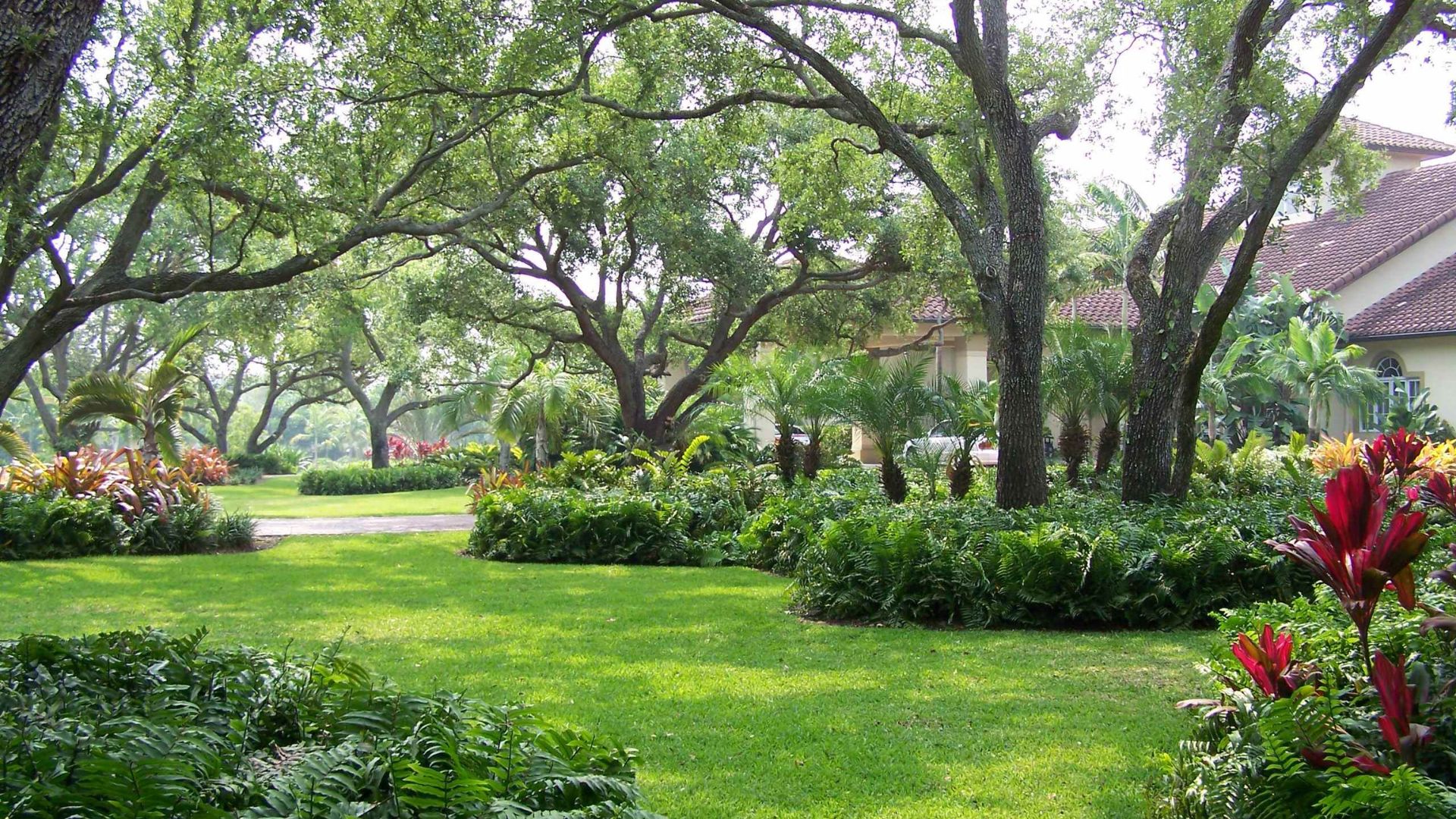
Trees are the single most valuable asset in any Florida landscape — and the most neglected. Many homeowners focus on ground-level planting while ignoring the health of existing trees. In Pinellas County, mature oaks, palms, and magnolias can add thousands of dollars in property value and significantly reduce cooling costs through natural shade.
Have your trees professionally assessed annually — before hurricane season, not after. Look for signs of root stress, crown thinning, or disease. A compromised tree is a liability during storm season.
A healthy, well-positioned canopy is one of the best investments your property can have. Florida-Friendly Landscaping Tampa Bay starts from the ground up — but it thrives from the canopy down.
Your Yard Doesn’t Have to Be This Hard
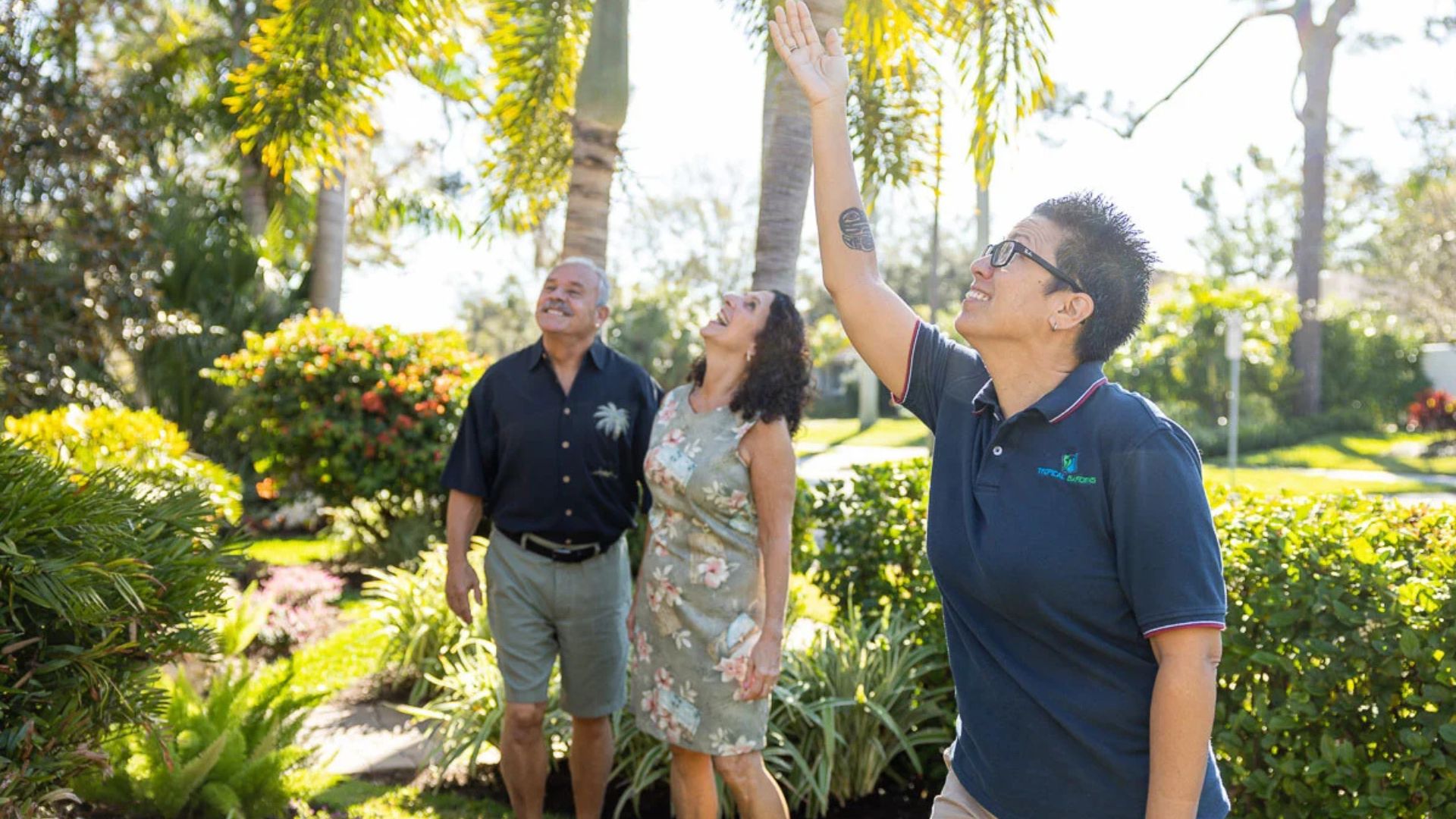
Sandra eventually called a professional. Within six weeks, her chaotic backyard had been transformed into a lush, layered native garden with a shaded seating area, a rain garden that captured stormwater, and a drip irrigation system that cut her water bill by 40%. She spends Saturday mornings with her coffee again — this time, actually enjoying what she sees.
That transformation is available to any homeowner in Pinellas County who’s willing to stop fighting Florida and start designing with it. Whether you’re drawn to Florida-Friendly Landscaping Pinellas natives, a tropical resort aesthetic, or a sleek modern hardscape — the right plan makes all the difference.
Green Landscaping Pinellas County doesn’t just look beautiful. It performs better, costs less over time, and makes your home the one on the street that everyone notices — for all the right reasons.
Ready to Transform Your Outdoor Space?
Book a free landscape consultation with the Pinellas Landscape Design & Property Maintenance team. We’ll walk your property, assess your needs, and show you exactly what’s possible — no obligation, no pressure.
📞 Book Your Free Consultation Today →
Serving Pinellas County · St. Petersburg · Clearwater · Dunedin · Palm Harbor & beyond