You finally decide to transform your yard. You picture the finished result – a clean, lush outdoor space you are actually proud of. Then comes the question nobody warned you about: How long is this going to take? Timeline is one piece of a larger picture – the full Pinellas County landscape design planning guide covers every other decision point, from costs and style to plant selection and contractor decisions.
Unexpected delays, unclear timelines, and projects that drag on for months can turn an exciting yard makeover into a frustrating experience. Understanding your landscape design timeline upfront helps you plan better, set realistic expectations, and avoid the kind of surprises that leave you eating takeout on a half-finished patio.
This guide walks you through each phase of a typical project – from the first conversation to the final walkthrough – so you know exactly what to expect.
Why the Landscape Design Timeline Varies So Much
No two properties are the same, and neither are two projects. A homeowner in Safety Harbor looking to add a few garden beds and fresh sod is working on a very different scale than a commercial property manager in Clearwater who needs a full grounds overhaul across multiple acres.
Several factors shape how long your project takes:
Property size and complexity – Larger properties with grading challenges, irrigation systems, or existing mature trees require more planning and labor time. A small residential backyard might move quickly. A full-property commercial redesign will not.
Design scope – Are you refreshing a tired lawn, or starting from scratch? Full landscape design projects – those that include hardscaping, plant selection, lighting, and drainage – take longer to plan and execute than simpler jobs.
Permitting requirements – Some projects in Pinellas County require permits, especially when work involves significant grading, retaining walls, or changes to drainage. Permit timelines depend on your municipality and current processing loads.
Seasonal considerations – Florida’s rainy season (roughly June through September) can slow outdoor installation work. Smart planning around the weather can help keep your project on track.
Contractor availability – Good landscaping companies stay busy. Scheduling timelines can vary depending on the time of year and current project load.
Breaking Down the Project Duration in Landscaping – Phase by Phase
Here is a realistic look at the typical stages and how long each one takes.
Phase 1: Initial Consultation (1 to 2 Weeks)
Everything starts with a site visit and conversation. A landscape professional walks the property, listens to your goals, notes existing conditions – soil type, drainage patterns, sun exposure, existing plants – and starts building a picture of what your space needs.
Scheduling this first meeting usually takes a few days to two weeks depending on the company’s availability.
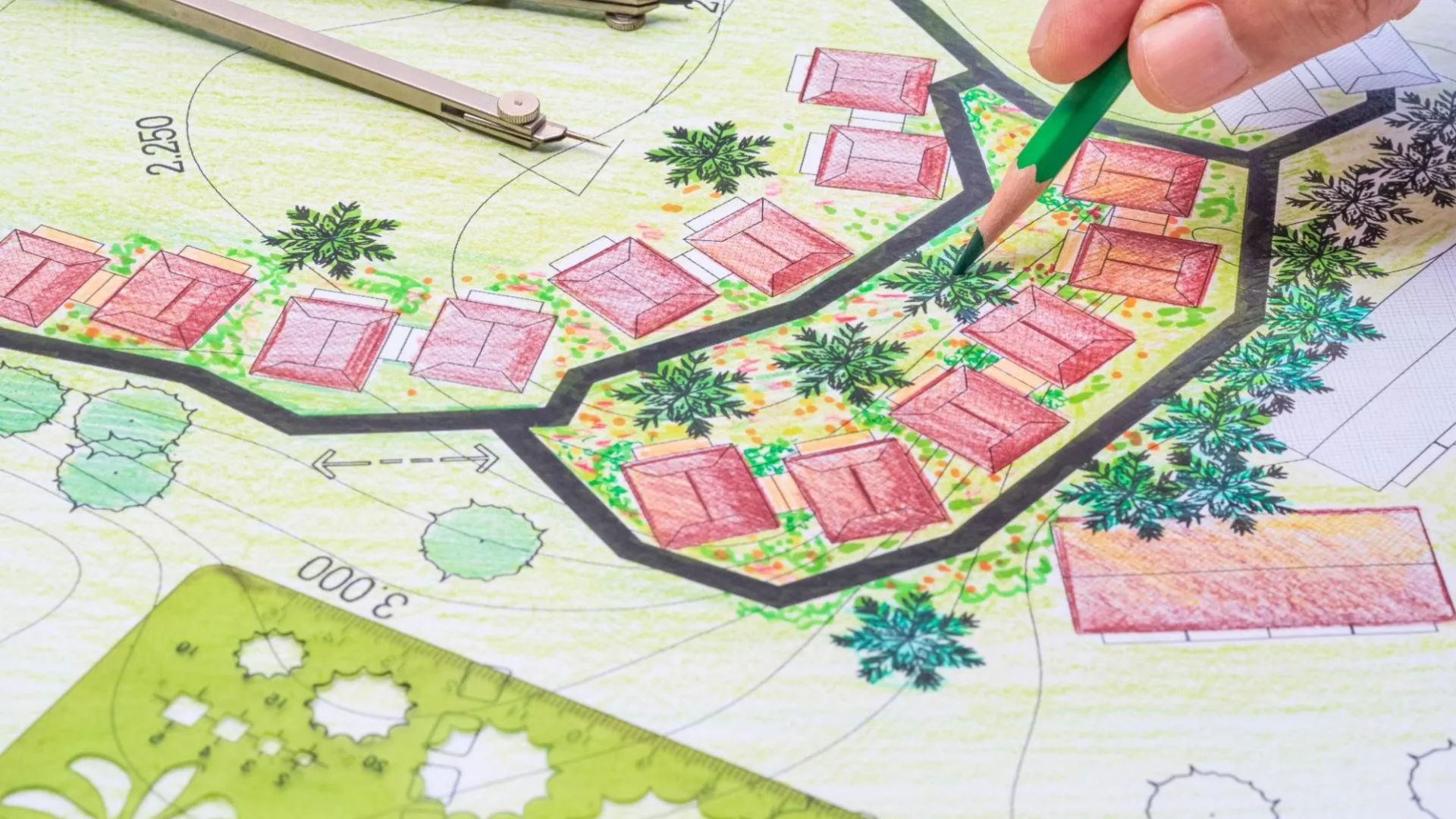
Phase 2: Design Development (2 to 5 Weeks)
This is where the design process timeline begins in earnest. Your landscaper develops a formal plan that may include plant layouts, hardscape placements, irrigation recommendations, and material selections. For more complex projects, this phase can involve multiple revisions before you sign off on a final design.
Simple residential designs can move faster – sometimes two to three weeks. Larger properties or designs with multiple zones can take closer to five weeks or more.
Phase 3: Permitting and Material Ordering (1 to 4 Weeks)
If your project requires permits, this phase can add meaningful time. Permit approvals through city and county offices vary widely, and some municipalities move faster than others. While permits are processing, your contractor can begin ordering materials, plants, and hardscape supplies – but installation cannot begin until approvals are in hand.
Each phase of the timeline carries its own cost – and understanding what landscape design costs in Pinellas County at each project phase helps you budget for the full arc of the project, not just the installation day.
Phase 4: Site Preparation and Installation (2 to 8 Weeks)
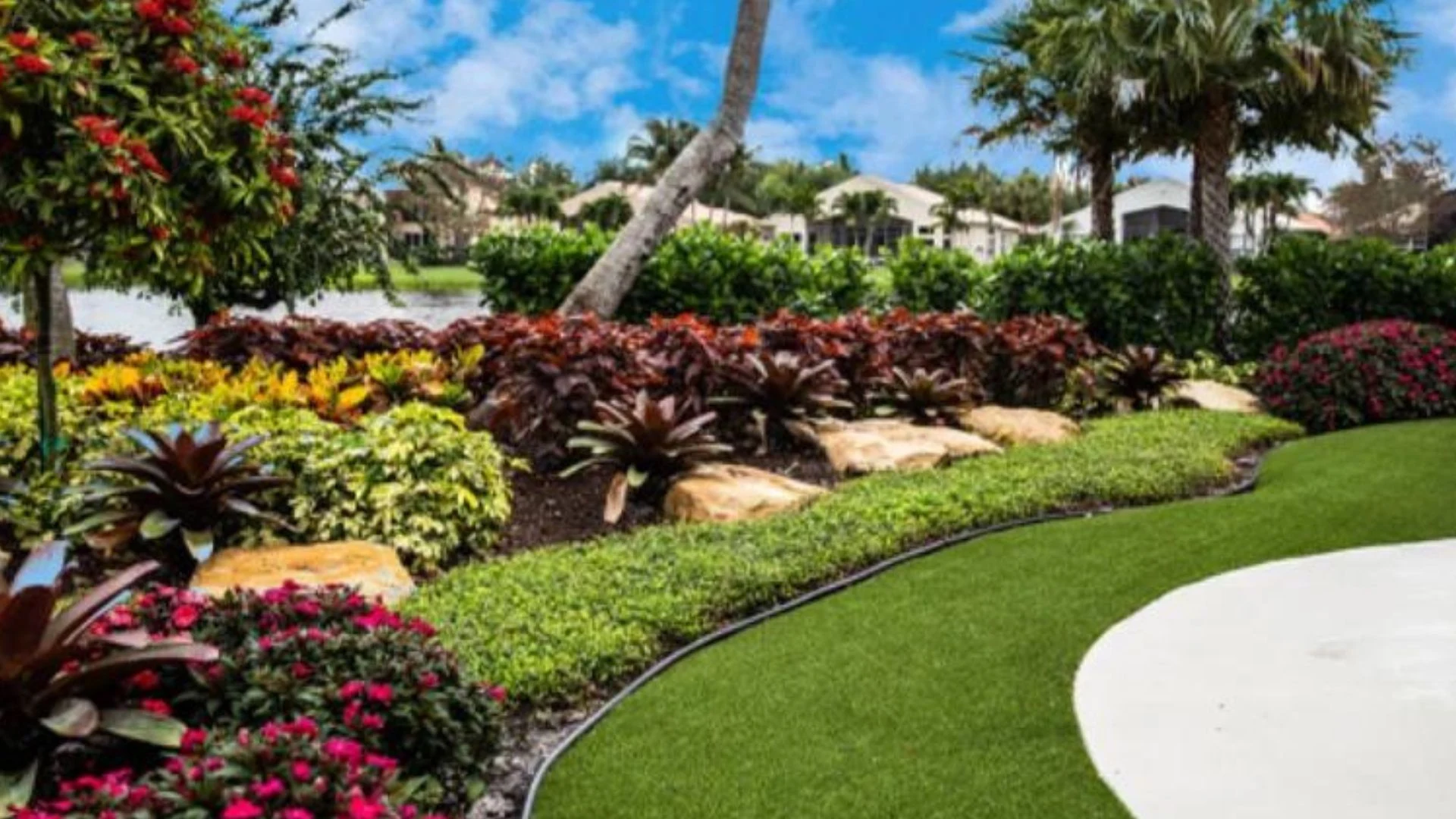
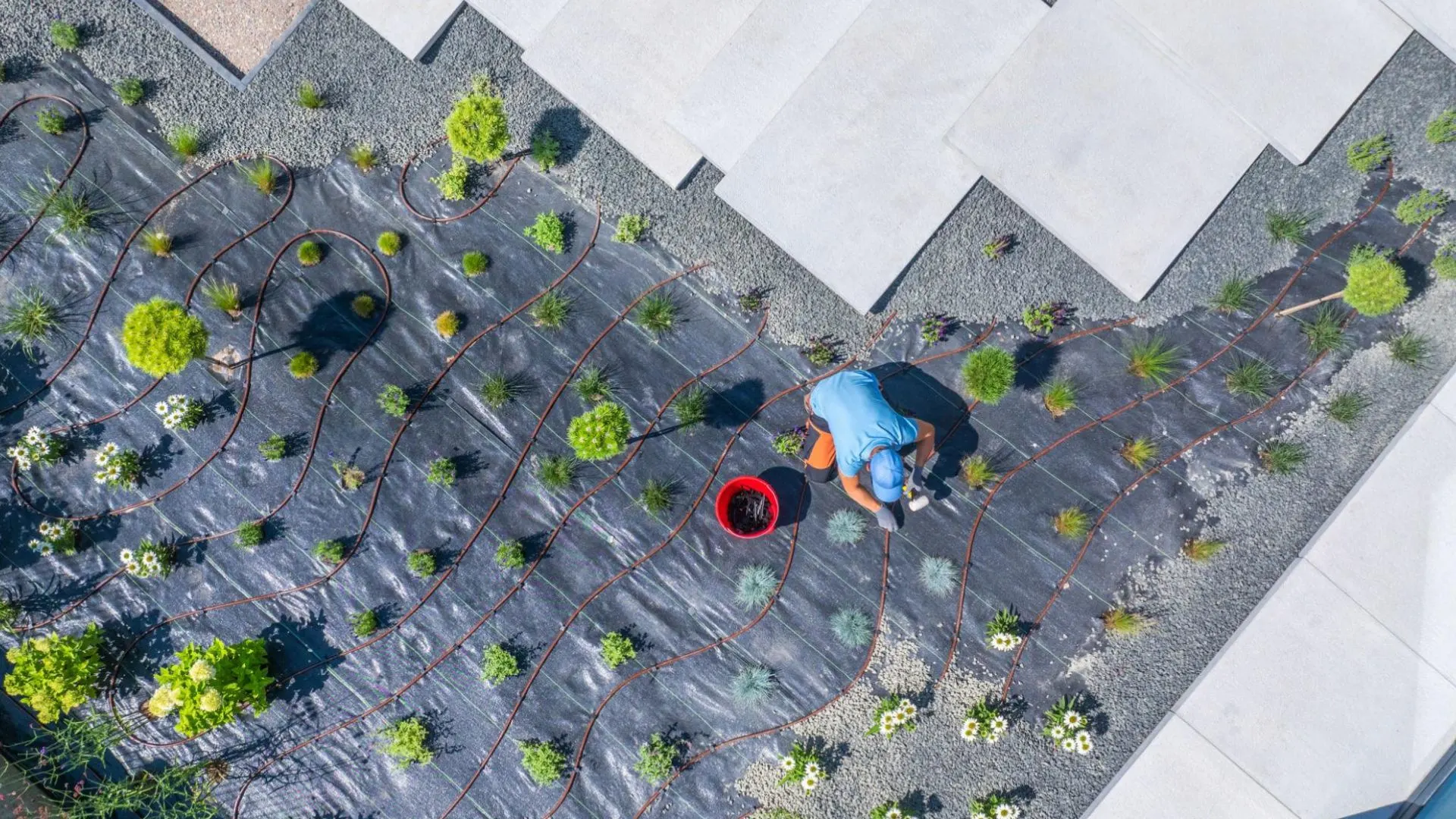
This is the hands-on phase where your yard actually starts changing. Scope determines duration more than anything else here. A lawn refresh with new sod, edging, and a few plantings might wrap in a week or two. A project that includes retaining walls, a new irrigation system, pavers, and a full plant overhaul can run six to eight weeks or longer.
Weather plays a real role in Florida. Rain delays, especially during summer months, can push timelines out. A good contractor will build some buffer into their schedule to account for this.
Phase 5: Final Walkthrough and Adjustments (1 Week)
Once installation wraps, your landscaper walks the property with you, confirms everything meets the plan, and addresses any touch-ups. This typically takes less than a week.
How Long Does a Yard Makeover Take – Start to Finish?
The National Association of Landscape Professionals reports that most complete residential landscape installations take between three and six months from initial design through final planting. That range surprises a lot of homeowners who expected to be done in a few weeks. Here is where that time actually goes:
- Small residential refresh (sod, edging, basic planting): 3 to 6 weeks total
- Mid-size residential redesign (new plant beds, mulch, minor hardscape): 6 to 12 weeks total
- Full residential transformation (hardscape, irrigation, lighting, full plant design): 3 to 5 months
- Commercial property maintenance and design: Varies widely; ongoing care contracts start quickly, major redesigns follow the phases above
The homeowners who have the smoothest experience are almost always the ones who planned for the full range – not the shortest possible scenario.
What Can Slow Your Project Down?
Being aware of common delays helps you avoid them. One of the factors that consistently delays projects is unclear scope – a problem the DIY vs professional landscape design decision often determines before any work begins.
Waiting too long to decide – Design revisions, material changes, and delayed approvals are the most common sources of timeline creep. The sooner you lock in your choices, the smoother things move.
Underestimating permitting – In Pinellas County and surrounding Bay area cities, some permits take longer during busy seasons. Your contractor should handle this for you, but plan for it.
Skipping the design phase – Some homeowners want to jump straight to installation. This often leads to costly changes mid-project or a result that does not match the vision. The design phase exists for good reason.
Poor plant timing – Florida’s climate is generally favorable for planting year-round, but certain species establish better when planted outside of peak summer heat. A knowledgeable local landscaper knows which plants to time for best results.
Expert Insight: Do Not Overlook Your Trees
One delay that catches homeowners off guard every year involves trees – and it shows up during the planning phase, not the installation phase. If your project involves existing or new trees, factor in extra planning time from the start.
Pro Tip: Tree placement, root zone protection during construction, and species selection for the Pinellas County climate all need careful thought before a single plant goes in the ground. Removing or relocating a mature tree – even a relatively small one – can add weeks to a project if local permits are required. Always ask your landscaper to assess tree health and placement before any ground is broken. Rushing this step causes damage that takes years to correct, and no amount of replanting fully undoes it.
Trees are long-term investments. Getting them right during the design phase protects both your landscape and your property value for decades.
Planning Your Project in Pinellas County
For homeowners and property managers across Pinellas County – whether you are in St. Petersburg, Clearwater, Safety Harbor, or the surrounding Bay area – the local climate, soil conditions, and HOA or municipal requirements all shape your project timeline.
One detail that catches a lot of local homeowners off guard: projects located within 500 feet of Tampa Bay or connected waterways often fall under Southwest Florida Water Management District (SWFWMD) review, which adds a layer of approval on top of standard county permits. If your property backs up to a tidal area, a stormwater pond, or a coastal wetland buffer – all common throughout coastal St. Pete, the Old Northeast, and waterfront communities in Clearwater – raise this in your very first conversation with your landscaper. It affects both your timeline and your plant selection, and discovering it mid-project is one of the most avoidable delays in the area.
Working with a landscaping team that genuinely knows Pinellas County means fewer surprises. Local professionals understand the permit landscape, the best species for Florida’s coastal conditions, and how to plan around seasonal weather patterns before a single plan goes to print.
The sooner you start the conversation, the more flexibility you have in the schedule. Waiting until spring to start thinking about a summer project – when every landscaper in the county is booked solid – is the single easiest way to add months to your timeline.
Book Your Consultation With Pinellas Landscaping. Now that you know what to expect, the best next step is a simple one.
Schedule a consultation with Pinellas Landscaping. A professional site visit gives you an accurate timeline based on your specific property, scope, and goals – not a generic estimate. You will leave the conversation with a clear picture of what your project involves, how long it will realistically take, and what comes next.
Pinellas County’s project season fills up quickly – especially heading into fall and the holiday stretch. Book your consultation with Pinellas Landscaping today and get a timeline built specifically for your property, your neighborhood, and your goals.