Most Pinellas County homeowners who start a landscape project without a plan spend significantly more than they need to – and still end up with results that disappoint. The difference between a yard that turns heads and one that stays half-finished for years almost always comes down to one thing: starting with the right information.
This is that information landscape design cost in Pinellas County, the right style for your home, realistic timelines, and the honest case for DIY vs. hiring a pro – this guide covers every decision point in one place, so you go into your project with your eyes open.
What You Will Learn in This Guide
This is your master resource for custom landscape design in Pinellas County. Whether you are starting with a blank slate or looking to refresh an overgrown backyard, the sections below will walk you through everything you need to make confident, cost-effective decisions.
Here is exactly what this guide covers:
- How much landscape design costs in Pinellas County in 2026
- How to design your backyard like a pro, step by step
- Modern vs. traditional landscaping and which style fits your home
- Small yard ideas that maximize every square foot
- Common landscape design mistakes and how to avoid them
- How long a landscape project realistically takes from concept to completion
- When DIY makes sense and when hiring a professional pays off
Bookmark this page. You will want to come back to it.
How Much Does Landscape Design Cost in Pinellas County?
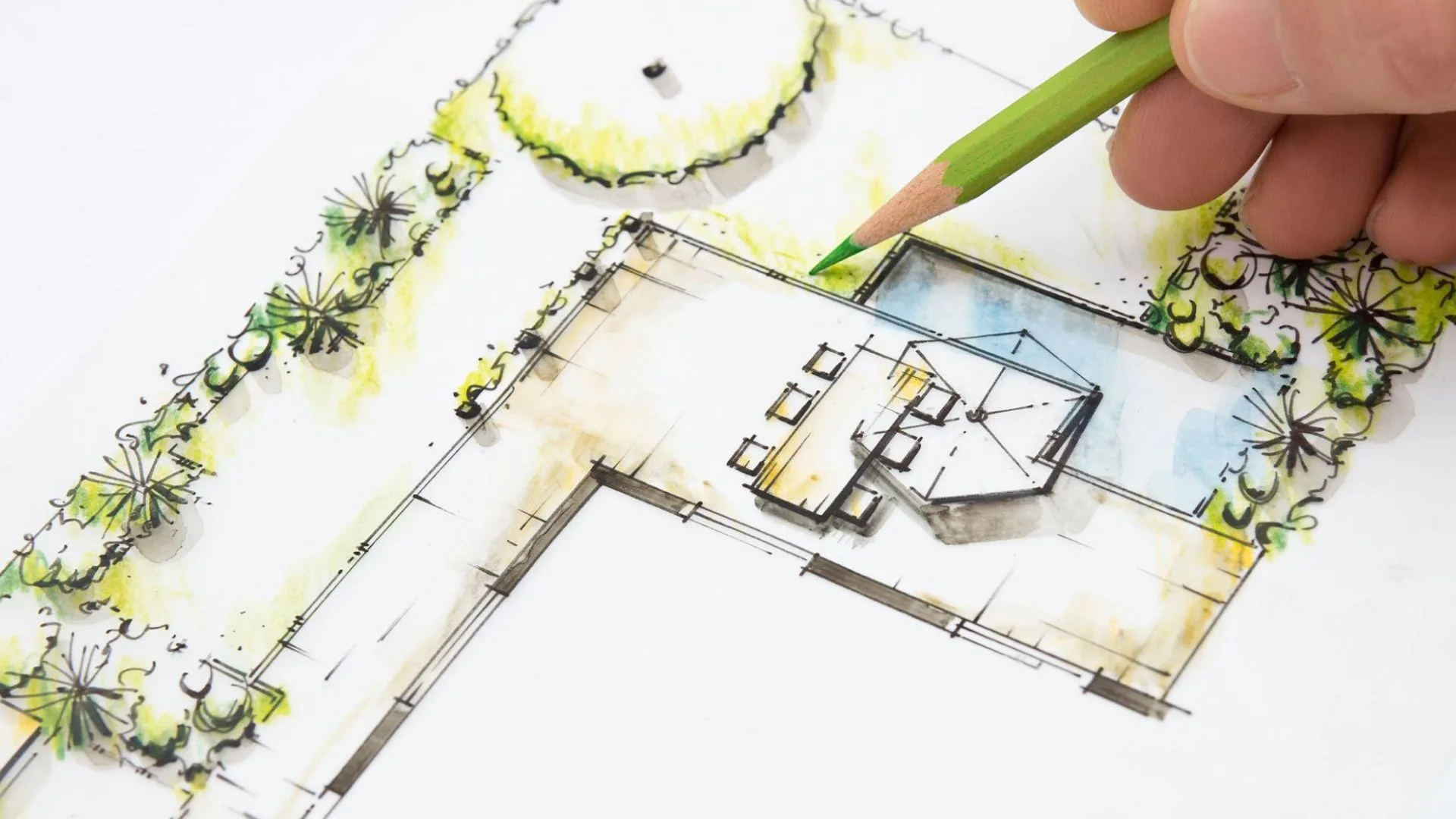
Before you fall in love with a vision, you need to understand what it will cost to bring it to life. Landscape design costs in Pinellas County vary widely depending on the size of your project, the complexity of the design, the materials you choose, and whether you work with a licensed landscape architect or a general contractor.
At the entry level, a basic consultation and design plan for a small residential yard might run a few hundred dollars. Full-scale custom landscape design for a larger property – complete with hardscaping, irrigation, lighting, and planting plans – can reach several thousand dollars before a single shovel breaks ground. Installation costs layer on top of that.
Understanding the breakdown matters because it helps you prioritize. You might decide to invest more in durable hardscaping (which adds long-term home value) while choosing lower-cost plant species that still thrive in Florida’s sandy soil. Knowing the cost variables upfront prevents sticker shock and keeps your project on budget.
Key cost factors to consider:
- Lot size and terrain complexity
- Hardscape elements (pavers, retaining walls, pergolas)
- Irrigation system installation or upgrades
- Plant selection and quantity
- Landscape lighting
- Ongoing maintenance requirements
For a full breakdown of pricing ranges, contractor fee structures, and tips on getting the most value for your budget, Landscape Design Cost in Pinellas County (2026 Pricing Guide) covers every variable in detail.
Frequently Asked Questions: Landscape Design Costs
What is a typical landscape design budget for a Pinellas County homeowner?
Most residential landscape projects in Pinellas County fall somewhere between a focused refresh and a full outdoor transformation. Design fees, materials, labor, and installation all factor in separately. Building in a 10-15% contingency is strongly recommended, as site conditions – particularly drainage and soil composition – often surface unexpected costs once work begins.
Does landscape design cost more in coastal Pinellas County areas?
Coastal proximity adds real cost variables. Salt air accelerates corrosion on metal fixtures, limits certain plant species, and may require materials rated for marine environments. Properties near the Gulf or Tampa Bay typically see higher long-term maintenance costs if these factors are not planned for at the design stage.
How to Design Your Backyard Like a Pro
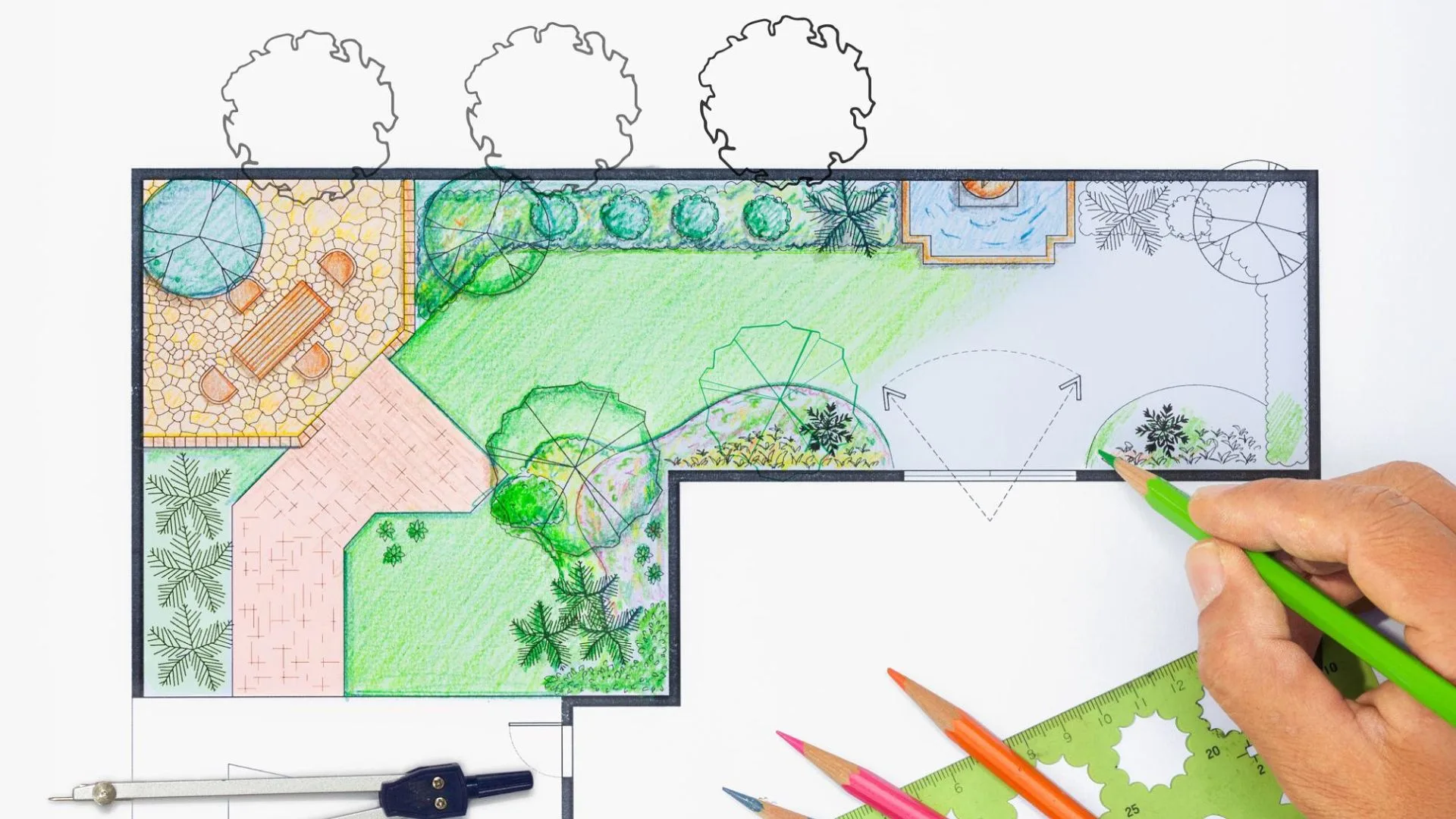
Great backyard design does not happen by accident. It follows a process – one that professionals use every time, whether they are working on a modest patio refresh or a complete outdoor overhaul. The good news is that understanding this process puts you firmly in the driver’s seat, even if you eventually hire someone to execute it.
The foundation of any strong design is a clear understanding of how you want to use the space. Outdoor dining? A play area for kids? A private retreat with shade? Each goal shapes every decision that follows, from layout to plant selection to lighting placement.
From there, design moves through site analysis (understanding sun, wind, drainage, and soil), concept development, plant and material selection, and finally a phased implementation plan. Skipping any of these steps is where projects go sideways.
The core design stages:
- Define your lifestyle goals for the space
- Conduct a site analysis (sun exposure, drainage, soil type)
- Create a concept sketch or mood board
- Select plants suited to Pinellas County’s climate zone
- Plan hardscape elements and pathways
- Map out irrigation and lighting
- Build a phased implementation timeline
The full step-by-step backyard landscape design process – from site analysis through phased implementation – is covered with pro tips and real Florida examples.
Modern vs. Traditional Landscaping – Which Style Fits Your Home?
Style is where landscape design gets personal. Two homeowners on the same street can have completely different visions for their yards, and both can be right. The key is choosing a direction that complements your home’s architecture, matches your maintenance comfort level, and reflects how you actually live.
Modern landscaping leans into clean lines, geometric shapes, native plants, low-maintenance ground covers, and minimalist hardscaping. It pairs well with contemporary or mid-century architecture and tends to require less ongoing upkeep.
Traditional landscaping embraces lush plant layering, ornamental flowers, manicured hedges, curved garden beds, and classic hardscape elements like brick or natural stone. It suits Colonial, Craftsman, and Mediterranean-style homes and often creates a warmer, more established feel.
In Pinellas County, the subtropical climate adds another layer to this decision. Some ornamental plants that work beautifully in a traditional Northern garden simply do not survive Florida summers. Understanding which plants perform well here – regardless of your chosen style – is critical to getting a result that lasts.
Quick style comparison:
| Factor | Modern | Traditional |
| Maintenance level | Lower – native and drought-tolerant plants reduce upkeep | Higher – ornamental plants and manicured hedges need regular attention |
| Hardscape style | Geometric, clean-lined, minimalist | Curved edges, ornate details, natural stone or brick |
| Best home match | Contemporary, mid-century, coastal modern | Colonial, Craftsman, Mediterranean |
Long-term cost and plant variety details are covered in the full style comparison guide linked below.
A detailed breakdown of both styles, with real Pinellas County examples, is available in the modern vs traditional landscaping comparison – including maintenance costs, Florida climate fit, and architectural match.
Small Yard Landscape Design Ideas
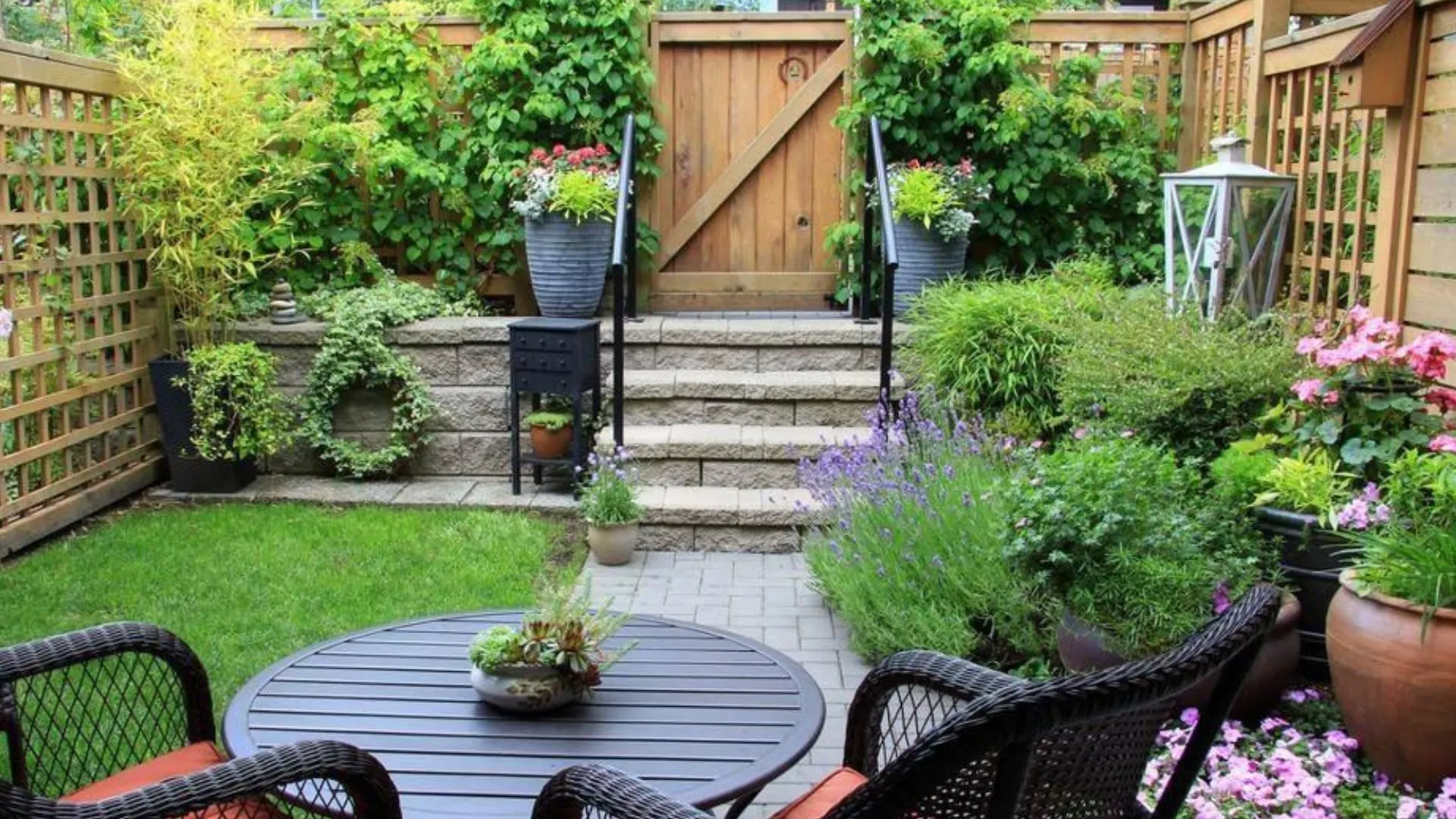
A smaller yard is not a limitation – it is a design challenge, and design challenges have smart solutions. Small yard landscape ideas that work well in Pinellas County focus on vertical space, multi-functional elements, and strategic plant placement that creates the illusion of depth without requiring extra square footage.
The biggest mistake small-yard homeowners make is cluttering the space with too many competing elements. A clean, cohesive design with a single focal point – a water feature, a statement tree, or a well-placed pergola – always reads as more intentional and spacious than a yard packed with mismatched plants and furniture.
Florida’s native plants are particularly well-suited to small yards because many varieties stay compact, require little water, and do not overwhelm a space with aggressive root systems. Layering low ground covers with mid-height shrubs and one or two vertical elements creates natural depth.
Strategies that work for small Pinellas County yards:
- Use raised planters to add dimension without expanding footprint
- Choose multi-purpose hardscape (a bench wall doubles as seating and a garden border)
- Opt for columnar or compact plant varieties
- Use light-colored pavers to visually expand the space
- Add a water feature or large container plant to create a focal point and depth
- Keep pathways narrow but clearly defined
Every strategy covered here – and many more – are detailed in the small yard landscape design ideas for Pinellas County homeowners, including vertical layering, plant selection, and ground cover alternatives.
Landscape Design Mistakes That Ruin Your Yard
Even the most enthusiastic homeowners make costly landscaping mistakes – and in Pinellas County’s climate, some of those mistakes are expensive to undo. The most common errors are not dramatic blunders; they are quiet decisions that compound over time.
Planting without a plan is the most widespread issue. Homeowners buy plants they find appealing, place them without accounting for mature size or sun requirements, and end up with an overcrowded, shadeless mess within a few years. In Florida, plants grow fast. What looks sparse today can become a jungle by next season.
Ignoring drainage is another critical mistake. Pinellas County receives significant rainfall during the wet season, and poor drainage can turn a beautiful yard into a standing water problem that damages both plants and structures. Proper grading and drainage planning are not optional – they are foundational.
The most damaging mistakes to avoid:
- Planting too close to the house or to each other
- Choosing non-native plants that cannot handle Florida heat, humidity, or salt air
- Neglecting irrigation planning (over- or under-watering kills plants fast)
- Skipping a soil test before planting
- Prioritizing aesthetics over function in the design phase
- Failing to account for HOA restrictions or Pinellas County local ordinances
The full breakdown of every major pitfall – with real examples from yards across St. Pete, Clearwater, and Safety Harbor – is in the guide to landscape design mistakes that ruin Pinellas County yards.
How Long Does Landscape Design Take?
One of the most common sources of frustration in landscaping projects is unrealistic timeline expectations. Homeowners often assume a project will wrap in a few weekends. Professionals know that a quality landscape design – one that lasts – follows a deliberate sequence that cannot be rushed.
The landscape design timeline for a typical Pinellas County residential project moves through several distinct phases. Design and planning alone can take two to four weeks for a mid-size property. Permitting (which may be required for certain hardscape elements) adds additional time. Installation follows, and then there is an establishment period where plants settle in and irrigation is fine-tuned.
Understanding this timeline is not just about managing expectations. It helps you plan around seasons (Florida’s wet and dry seasons directly affect planting schedules and contractor availability), coordinate with suppliers, and build in budget contingency if unexpected site conditions arise.
A general landscape project timeline:
| Project Phase | Typical Duration |
| Initial consultation & site assessment | 1-2 weeks |
| Concept design & revisions | 2-4 weeks |
| Permitting (if required) | 2-6 weeks |
| Hardscape installation | 1-3 weeks |
| Planting & irrigation | 1-2 weeks |
| Plant establishment & fine-tuning | 4-8 weeks |
Permitting timelines vary by municipality. Projects in cities like St. Pete, Clearwater, or Largo may follow slightly different local review schedules than unincorporated Pinellas County areas.
A phase-by-phase breakdown with realistic timeframes for each stage – including permitting, installation, and plant establishment – is in the Pinellas County landscape design project timeline guide.
Frequently Asked Questions: Project Timelines
How long does a full landscape design project take from start to finish?
From initial consultation through plant establishment, a mid-size residential landscape project in Pinellas County typically runs three to five months when permitting is involved. Smaller projects without structural hardscaping can move faster – sometimes six to eight weeks – but plant establishment always requires additional time regardless of project size.
What time of year is best to start a landscape project in Pinellas County?
Florida’s dry season – roughly November through April – is the preferred window for most installation work. Cooler temperatures reduce transplant stress on new plants, and lower rainfall makes grading and hardscape work easier to schedule. Starting your design and permitting process in late summer puts you perfectly positioned for a dry-season installation.
DIY vs. Professional Landscape Design – What’s Worth It?
This is the question that sits at the center of nearly every landscaping conversation: can you do it yourself, or do you need a professional? The honest answer is – it depends, and the right answer is often somewhere in the middle.
DIY landscaping makes sense for smaller, well-defined projects: refreshing a garden bed, installing sod in a contained area, adding container plants to a patio. If you have basic tools, some physical stamina, and the time to research plant selection carefully, a DIY approach can save money on labor.
Professional landscape design becomes worth every dollar when your project involves grading, irrigation system installation, significant hardscaping, drainage correction, or a full design concept for a large property. Professionals bring licensed knowledge of local codes, established supplier relationships, and experience avoiding the costly mistakes described in Chapter 5.
In Pinellas County specifically, working with a landscape professional who understands the local soil composition, native plant palette, and county permitting requirements is a genuine advantage – not a luxury.
DIY vs. Professional at a glance:
| Scenario | Recommended Approach |
| Refreshing garden beds | DIY |
| Installing sod on flat, well-drained ground | DIY |
| Container garden design | DIY |
| Full backyard redesign | Professional |
| Irrigation system installation | Professional |
| Drainage correction & grading | Professional |
| Paver patio or retaining wall | Professional recommended |
A hybrid approach – hiring a designer for the plan while handling some planting yourself – is one of the most cost-effective strategies for mid-size projects.
The full cost-benefit analysis – including a hybrid approach that many Pinellas homeowners use – is detailed in the DIY vs professional landscape design guide for Pinellas County.
Frequently Asked Questions: DIY vs. Professional
Is it worth hiring a professional landscape designer in Pinellas County?
For projects involving irrigation, drainage correction, hardscaping, or a full yard redesign, yes – the return on investment is clear. Professionals with local experience know Pinellas County’s permitting process, soil conditions, and which plant species survive long-term in Florida’s climate. That knowledge prevents the costly mistakes that DIY projects often encounter in year two or three.
Can I save money by doing part of the project myself?
Absolutely. Many homeowners hire a professional for the design plan and structural work, then handle planting and mulching themselves. This hybrid approach keeps the critical technical work in expert hands while reducing overall labor costs. Discuss scope flexibility with your designer before assuming it is all-or-nothing.
How These Topics Connect: Your Landscape Design Roadmap
These seven topics are not isolated – they build on each other in sequence. Here is how they flow together into a complete decision-making process:
- Set your budget (Chapter 1 – Cost Guide): Understanding cost is always the first step. It defines the scope of everything that follows.
- Learn the design process (Chapter 2 – Backyard Design Guide): Before hiring anyone or buying anything, understand how good design works from concept to completion.
- Choose your style (Chapter 3 – Modern vs. Traditional): Style shapes your material choices, plant palette, and maintenance expectations.
- Solve your space constraints (Chapter 4 – Small Yard Ideas): Whether your yard is small or oddly shaped, smart design principles apply at any scale.
- Avoid the common traps (Chapter 5 – Mistakes to Avoid): Knowing what not to do protects your investment before it is made.
- Build a realistic timeline (Chapter 6 – Project Timeline): Set accurate expectations so the project runs smoothly from start to finish.
- Decide who does the work (Chapter 7 – DIY vs. Professional): Now that you know the scope, cost, style, and timeline – make the informed call on who executes it.
Ready to Talk About Your Yard?
You have done the research. If you are at the point where you know what you want but are not sure how to scope it, price it, or get it started – that is exactly where a conversation with a local landscape professional pays off. A good initial consultation costs you nothing but time and gives you a realistic picture of what your specific yard needs, what it will cost, and how long it will realistically take.
You do not need a finished plan to have that first conversation. Reach out to a Pinellas County landscape design team and describe what you are working with. The right professional will tell you honestly what is achievable within your budget – and what is not.
Next Steps: Your Landscape Design Checklist
Use this checklist before you make your first call to a contractor or head to a garden center. Starting with a clear picture of your goals and constraints will save you time, money, and second-guessing.
Your Pre-Project Landscape Checklist
- Define your goals – List how you want to use the space (entertaining, relaxing, gardening, play)
- Set a realistic budget – Include a 10-15% contingency for unexpected site conditions
- Research your home’s architectural style – Match your landscape style to your home’s exterior
- Assess your yard’s conditions – Note sun exposure, drainage patterns, and existing plants
- Check HOA rules and local permits – Know the restrictions before you design around them
- Decide on DIY vs. professional – Be honest about your skills, time, and budget
- Plan around Florida’s seasons – Target dry-season installation for best results
- Read the sub-guides – Each chapter above links to a detailed guide. Work through them in order.
Custom landscape design in Pinellas County is one of the most rewarding investments a homeowner can make. The outdoor spaces here get used year-round, they are seen by every neighbor and guest who visits, and a well-designed yard directly adds to your home’s value and your daily quality of life.
Start with the guide that matches where you are in the process right now. Come back to this page as your project evolves. Every answer you need is one click away.
Your outdoor transformation starts with a single decision – the decision to plan it right.