You put real money and effort into your yard – and then something just looks off. The grass patches out. A tree starts cracking the driveway. Plants that seemed healthy six months ago now look like they’re barely surviving. Sound familiar?
Most homeowners don’t realize that the root cause usually isn’t bad luck or poor maintenance – it’s landscape design mistakes made at the very beginning. The good news? Once you know what to look for, these problems are completely avoidable. Whether you’re starting fresh or fixing an existing yard in St. Petersburg, Clearwater, Safety Harbor, or anywhere across Pinellas County, this guide will help you dodge the most damaging yard design errors before they cost you.
Most of these problems trace back to a missing foundation – a complete Pinellas County landscape design plan that accounts for the local climate, soil, and site conditions from day one.
The Most Common Landscape Design Mistakes (And What to Do Instead)
1. Planting the Wrong Plants for Florida’s Climate
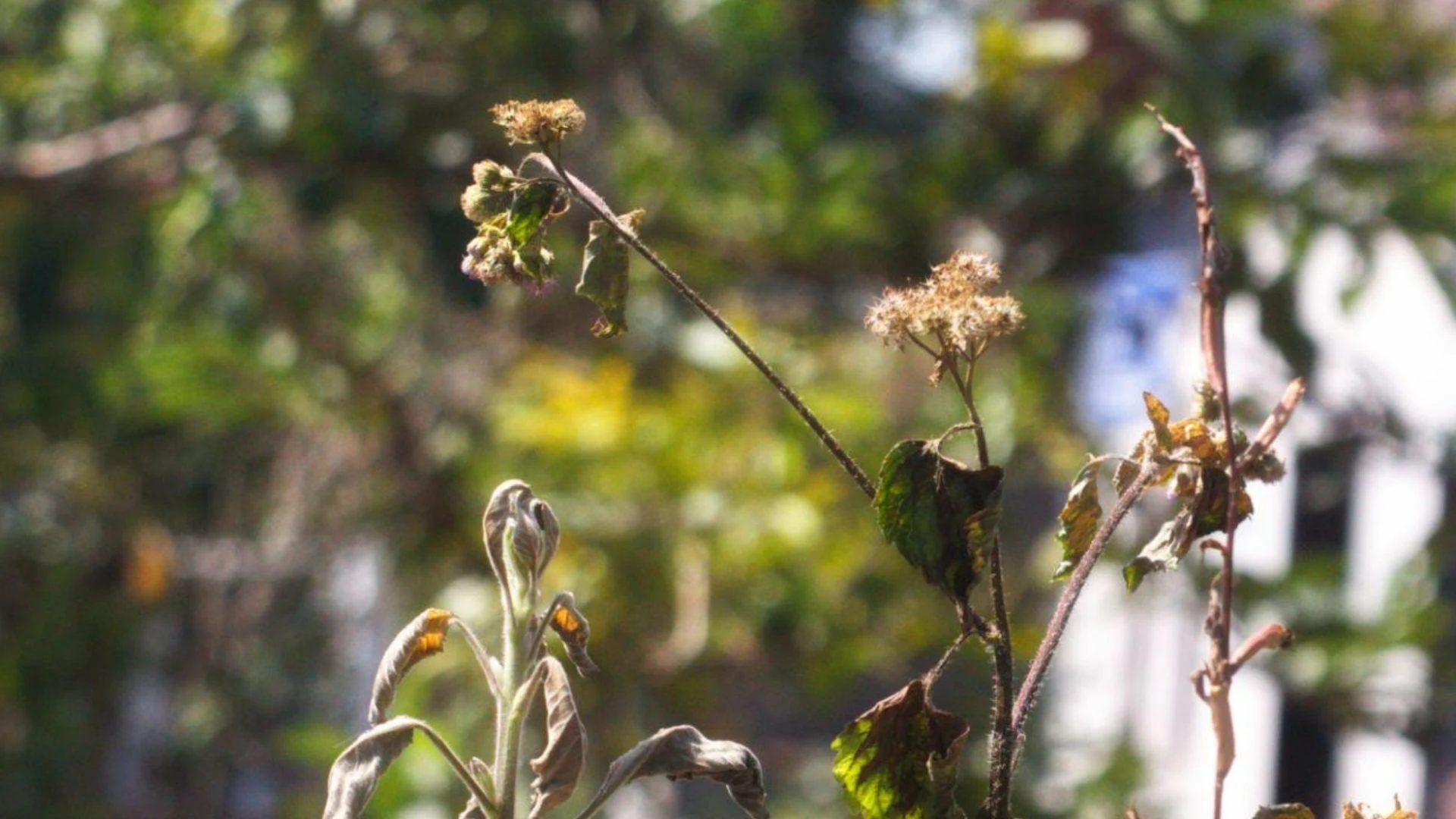
This one causes more frustration than almost anything else. Homeowners see a plant at a nursery, love the look, and buy it – only to watch it wilt, burn, or die within a season.
Florida’s subtropical climate in Pinellas County brings intense summer heat, high humidity, salt air near the bay, and seasonal drought. Plants that thrive in cooler or drier climates simply don’t belong here. Avoid boxwoods, lavender, and many ornamental grasses that work beautifully in northern states but struggle in this environment.
In our experience working across Clearwater and St. Pete, the number one call we get from frustrated homeowners in spring is some version of: “I just replaced these plants last year – why are they dying again?” Almost every time, the answer is the same: the wrong plant in the wrong climate.
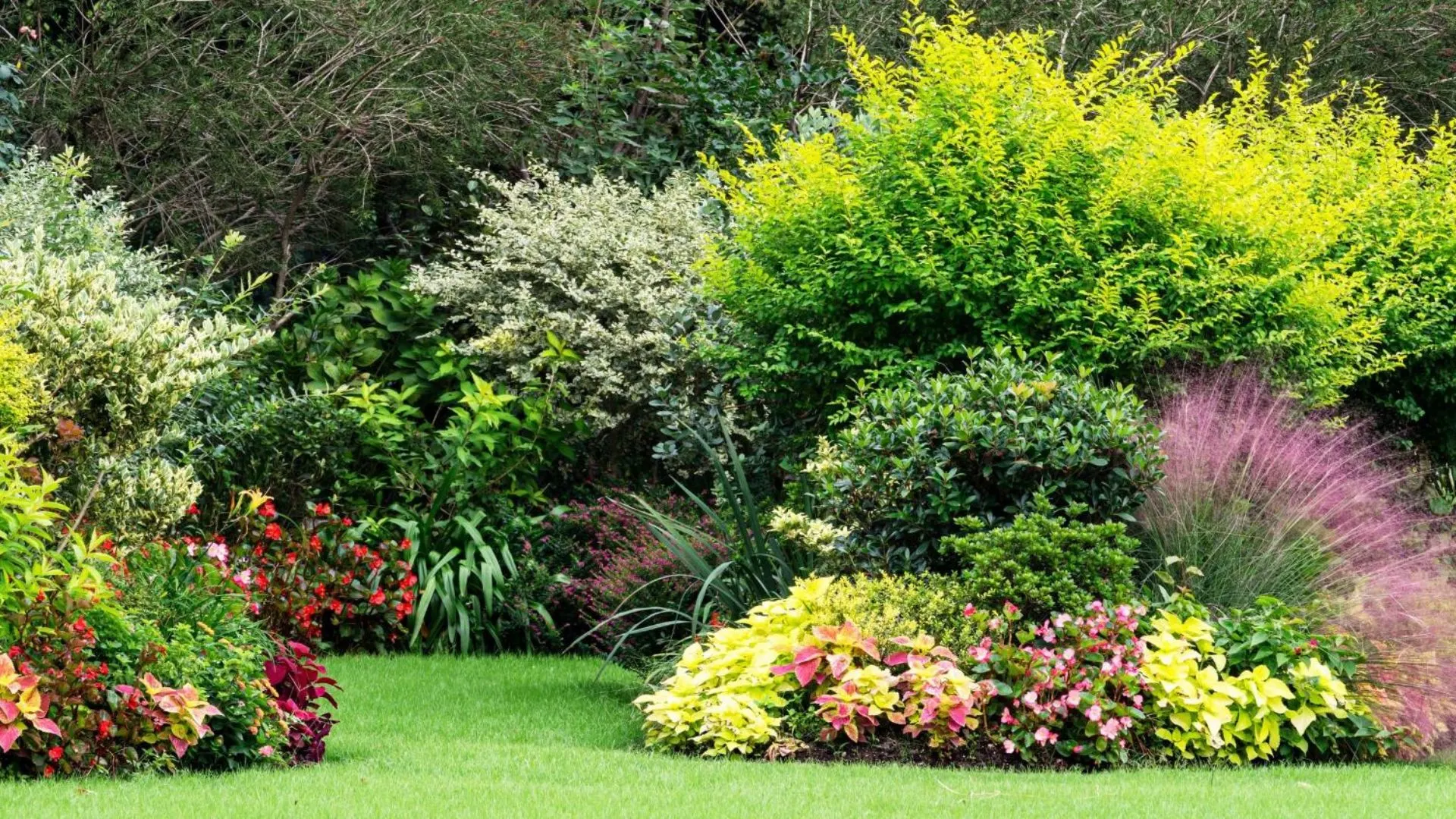
What to do instead: Choose Florida-friendly plants like Muhly grass, Firebush, Coontie, Simpson’s Stopper, and Saw Palmetto. Native plants adapt faster, need less water, and hold up against Florida’s pest pressures. Your yard will look healthier with a fraction of the effort.
2. Ignoring Drainage and Water Flow
Bad landscaping ideas often ignore one critical question: where does the water go?
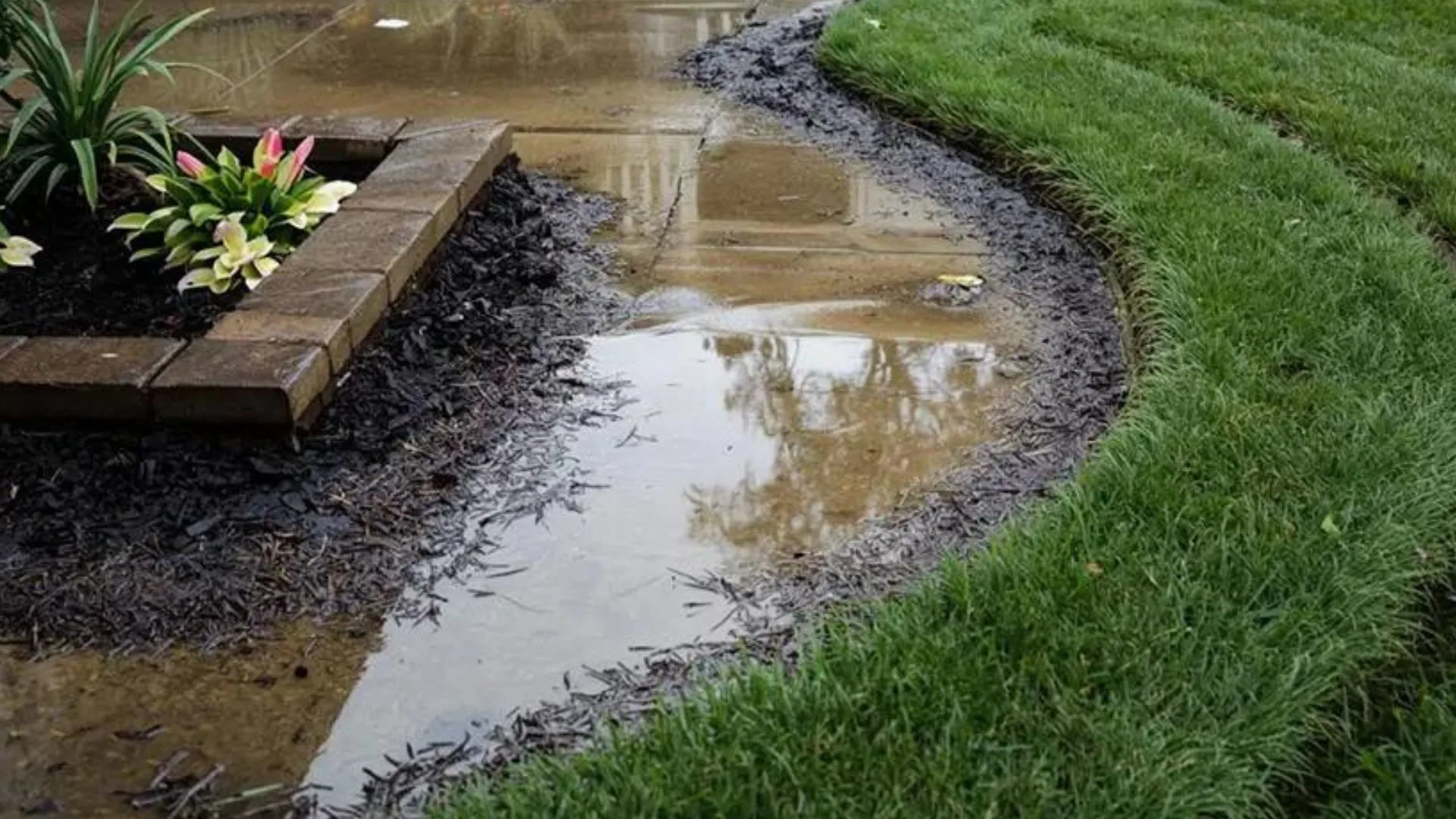
In a flat yard – which describes most of Pinellas County – water pools fast during heavy summer rains. When the grade of your yard slopes toward your home instead of away from it, you risk foundation damage, soggy turf, and root rot in your garden beds. This is one of the yard design errors that homeowners discover too late, often after flooding has already caused structural damage.
We see this play out every summer across Safety Harbor and the bay-area communities – a yard that looked perfectly fine in February becomes a standing-water problem by July, and by then the damage to the root system and the lawn base is already done. Permitting delays and site corrections are two of the most common reasons a landscape design project timeline runs significantly longer than homeowners plan for.
What to do instead: Before planting anything, assess how water drains across your property. A slight slope away from your foundation makes a significant difference. Consider French drains, swales, or raised bed sections in low-lying areas. Don’t set your irrigation on a fixed schedule without accounting for rainfall – overwatering compounds drainage problems fast.
3. Planting Trees Too Close to Structures
This is one of the most expensive landscape problems homeowners face – and it develops slowly enough that most people don’t notice until the damage is done.
Tree roots follow moisture. That means they’ll grow toward your irrigation lines, under your driveway, beneath your pool deck, and into your foundation if you give them the chance. Large canopy trees like Live Oaks – gorgeous and common throughout the Tampa Bay area – need significant space. Planting one 10 feet from your home or driveway sets up a long-term problem that grows more costly the longer you wait.
Expert Tip: According to the International Society of Arboriculture (ISA), most large shade trees need a minimum of 15–20 feet of clearance from any structure. That measurement must account for the tree’s mature canopy spread – not just its size at planting. A Live Oak that looks manageable at 6 feet can spread 60–80 feet wide at maturity. Once roots reach your pool deck or foundation, removal and repair costs can run into the thousands.
What to do instead: Research the mature size of every tree before you put it in the ground. If trees near your home or driveway are already a concern, a professional arborist can assess root direction and recommend corrective pruning – or safe removal before the damage escalates.
4. Overcrowding Plants and Shrubs
Walk through almost any residential neighborhood in Clearwater or downtown St. Pete and you’ll spot this mistake – shrubs growing into each other, flower beds packed so tight nothing can breathe, and hedges that have taken over entire walkways.
Overcrowding happens because plants look sparse when first installed. The instinct is to fill space quickly. But plants have different light, water, and root space requirements. Crowding them together creates competition for nutrients, blocks airflow, and creates the humid conditions that fungus and pests thrive in.
According to the National Association of Realtors’ Remodeling Impact Report, quality landscaping can recover more than 100% of its cost at resale – but that number depends entirely on a landscape that looks healthy and intentional, not overgrown and patchy. Overcrowded beds are one of the first things buyers and real estate professionals notice during a showing.
What to do instead: Follow the spacing guidelines on plant tags and give your beds time to fill in naturally. Use mulch to fill gaps in the short term – it suppresses weeds, retains moisture, and improves soil health while your plants establish themselves.
5. Installing Hardscaping Without a Plan
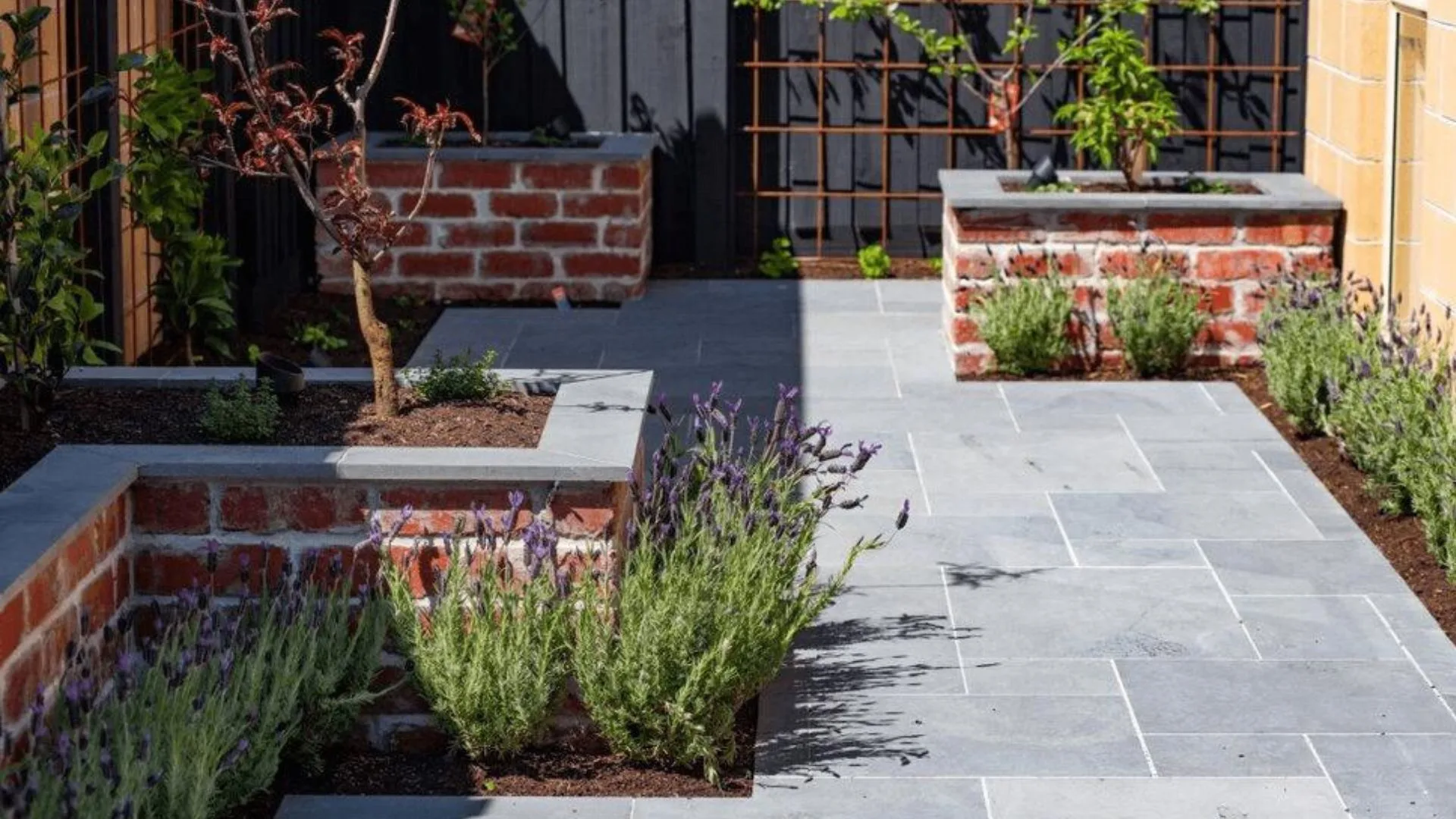
Pavers, walkways, retaining walls, and decorative rock can transform a yard – or completely overwhelm it. One of the most common bad landscaping ideas is adding hardscape elements one piece at a time with no cohesive plan.
The result looks disconnected. A paver patio that doesn’t line up with the back door. A retaining wall that creates water pooling behind it. A rock bed that absorbs heat and burns nearby plants. These aren’t just aesthetic issues – poorly planned hardscape creates long-term drainage and maintenance problems that get worse over time.
Here in Pinellas County, the sandy soil and high water table near the bay add another layer of complexity. A retaining wall installed without proper drainage behind it doesn’t just look bad – it can shift, crack, or fail entirely within a few seasons.
What to do instead: Treat hardscaping as part of the overall design from day one, not an afterthought. Every element should connect visually and functionally. Always account for drainage, especially in low-lying areas or properties within a mile or two of the water.
6. Unedged Borders Signal a Neglected Property – Especially to HOAs and Buyers
Clean lines make a yard look professionally maintained. Without them, even a well-planted yard loses its impact. Overgrown edges where the lawn meets garden beds, driveways, or walkways make a yard look unkempt – regardless of how healthy the grass actually is.
This matters more in Pinellas County than most homeowners realize. HOA communities in areas like Safety Harbor, Clearwater, and the St. Pete neighborhoods actively enforce appearance standards, and overgrown edges are one of the most common HOA violation triggers we hear about from property managers and homeowners we work with. For anyone preparing to sell, real estate professionals consistently identify lawn edging as one of the fastest curb appeal fixes with the highest return.
What to do instead: Edge consistently along all hardscape transitions and bed lines. A sharp, clean edge takes minutes to maintain once it’s established, but it transforms how your entire property reads from the street – and keeps you on the right side of HOA standards.
7. Florida’s Year-Round Growing Season Punishes Yards That Go on Autopilot
The final and most common mistake: designing a beautiful yard, then letting it go.
No matter how well a landscape starts out, it deteriorates without consistent care. Trees grow, shrubs spread, irrigation heads shift or clog, and grass thins out in shaded spots. What looked intentional and polished on day one slowly becomes overgrown and uneven.
Florida’s growing season makes this especially unforgiving. Unlike northern states where winter gives yards a natural reset, Pinellas County properties demand attention every single month. One issue that catches homeowners off guard every summer: chinch bugs. These pests peak in June and July and can destroy St. Augustine grass – the most common lawn type across Pinellas County – in spreading patches that look exactly like drought stress. Homeowners who aren’t watching closely increase irrigation instead of treating the actual problem, which wastes water and worsens the damage.
What to do instead: Build a month-by-month maintenance schedule into your landscape plan from the start. Regular mowing, trimming, fertilizing, and seasonal pest monitoring keep everything looking the way it was designed – and catch small problems before they become expensive ones.
You’ve Already Invested in Your Yard. Let’s Make Sure It Shows.
Every one of these landscape problems has a clear solution – but catching them early is the difference between a quick fix and a costly repair. A yard built on a solid plan, the right plants, proper spacing, and smart drainage delivers results that last.
Pinellas Landscaping has served homeowners, HOA communities, and commercial property managers across St. Petersburg, Clearwater, Safety Harbor, and greater Pinellas County for years. We know this soil, this climate, and the specific challenges that come with maintaining a yard near the bay.
If you’re tired of fighting your yard instead of enjoying it, let’s change that. Every one of these mistakes carries a direct financial consequence – which is why understanding real landscape design costs in Pinellas County before the project begins is so important.
Book your free on-site consultation with Pinellas Landscaping today – and walk away with a clear plan built specifically for your property, your goals, and your neighborhood.