You look out at your small backyard and see a patch of struggling grass, a fence that feels way too close, and zero inspiration. If that sounds familiar, you are not alone – and you are definitely not stuck.
A 600-square-foot backyard in Clearwater can feel like a private outdoor living space – if you know which design moves actually make the difference. The small yards that look best are not the ones with the most plants or the biggest budgets. They are the ones where every square foot has a clear job to do. Whether you are in St. Petersburg, Safety Harbor, or anywhere across Pinellas County, Florida’s climate gives you a growing season and a plant palette that homeowners in most other states can only dream about. Let’s get into what actually works.
Why Small Yard Landscape Ideas Work Better Than You Think
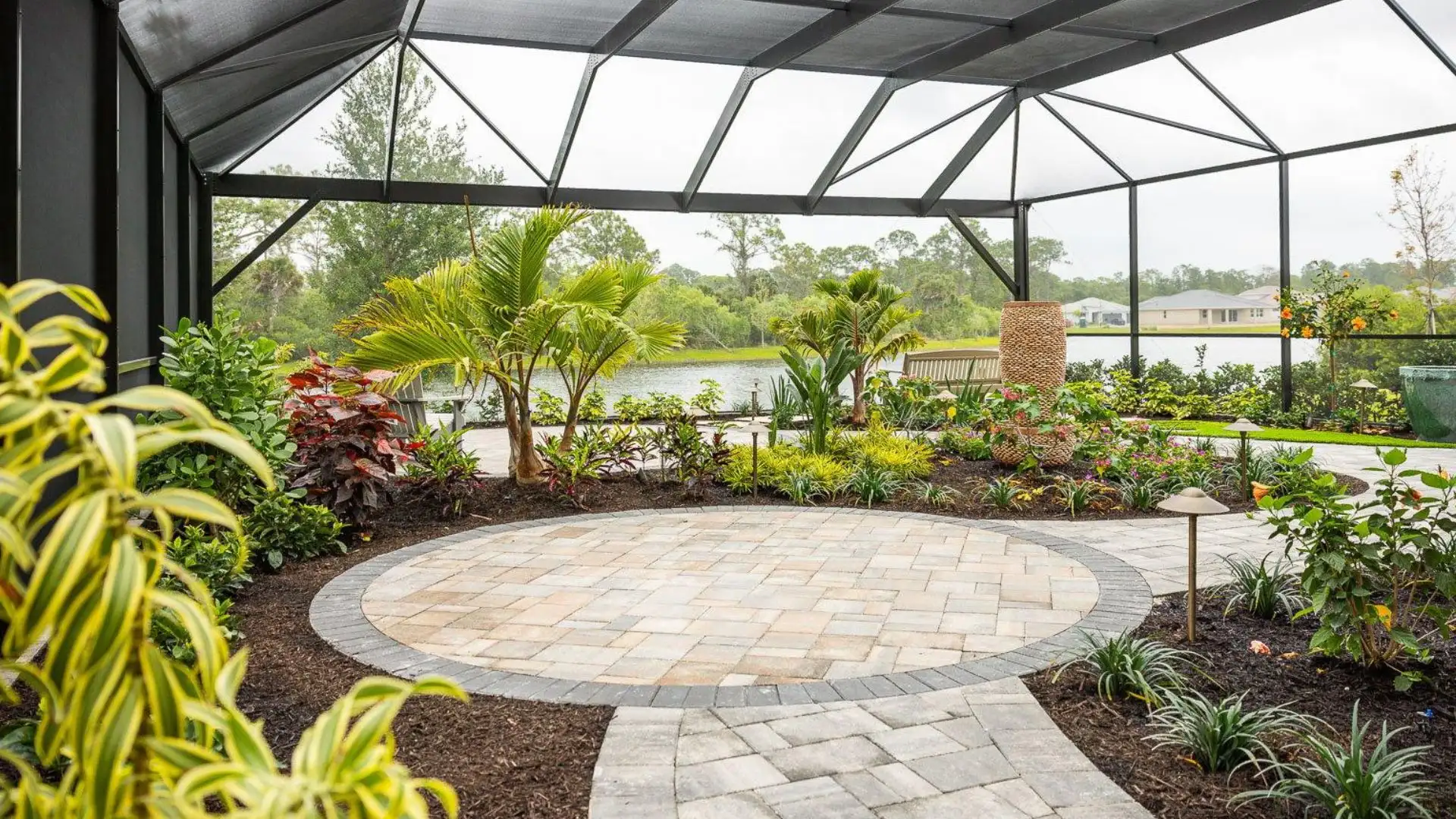
Here’s a stat worth knowing: according to the American Society of Landscape Architects, well-designed landscaping can increase a home’s resale value by 10-12%. That’s a meaningful return – especially when your investment goes into a compact space that’s been thoughtfully planned from the ground up. Strong curb appeal starts long before someone walks through your front door, and a well-executed small yard makes a first impression that larger, neglected properties simply cannot compete with.
The secret? Small doesn’t mean sparse. It means intentional.
When you work with a limited footprint, every plant, path, and feature earns its place. The result is often a more cohesive, polished yard than larger properties achieve – because nothing gets wasted, and nothing gets ignored. Space constraints are one of seven topics covered in the definitive Pinellas County landscape design planning guide – a resource worth bookmarking before any project begins.
Start With Zones: The Foundation of Compact Garden Design
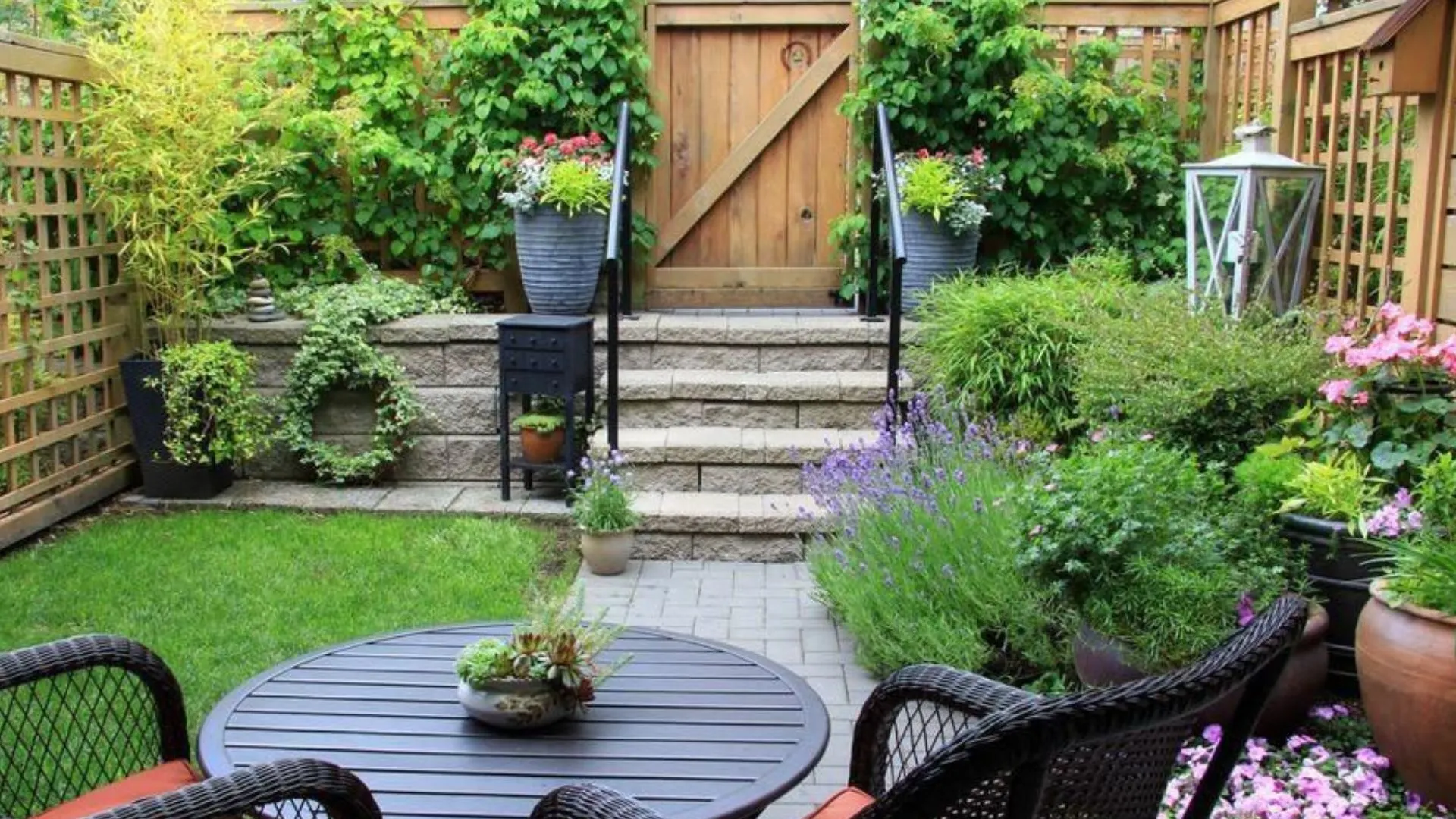
Before you plant a single shrub or lay a single paver, map out how you want to use your yard. This zoning step is the backbone of any solid compact garden design. The same zoning principles used in the full professional backyard landscape design process apply at any footprint – and in smaller yards, they become more critical, not less.
Think in three areas:
- A living or gathering zone – a patio, deck, or defined outdoor living space for seating and relaxing
- A planting zone – beds, borders, raised planters, or garden walls
- A transition zone – paths, stepping stones, or ground cover that connects the two
Separating these areas – even loosely – creates visual structure. When the eye has clear places to travel and rest, the space feels larger than it actually is.
For small backyard landscaping in Florida, curved bed edges consistently outperform straight lines. A gently curved border draws attention inward rather than toward the perimeter, which makes tight fences and property lines feel far less dominant.
Go Vertical: The Most Underused Tool in Space-Saving Landscape Design
When ground space runs short, build up.
Vertical elements are the single most effective tool in space saving landscape design, and they work especially well in Florida’s climate where plants grow fast and full through most of the year.
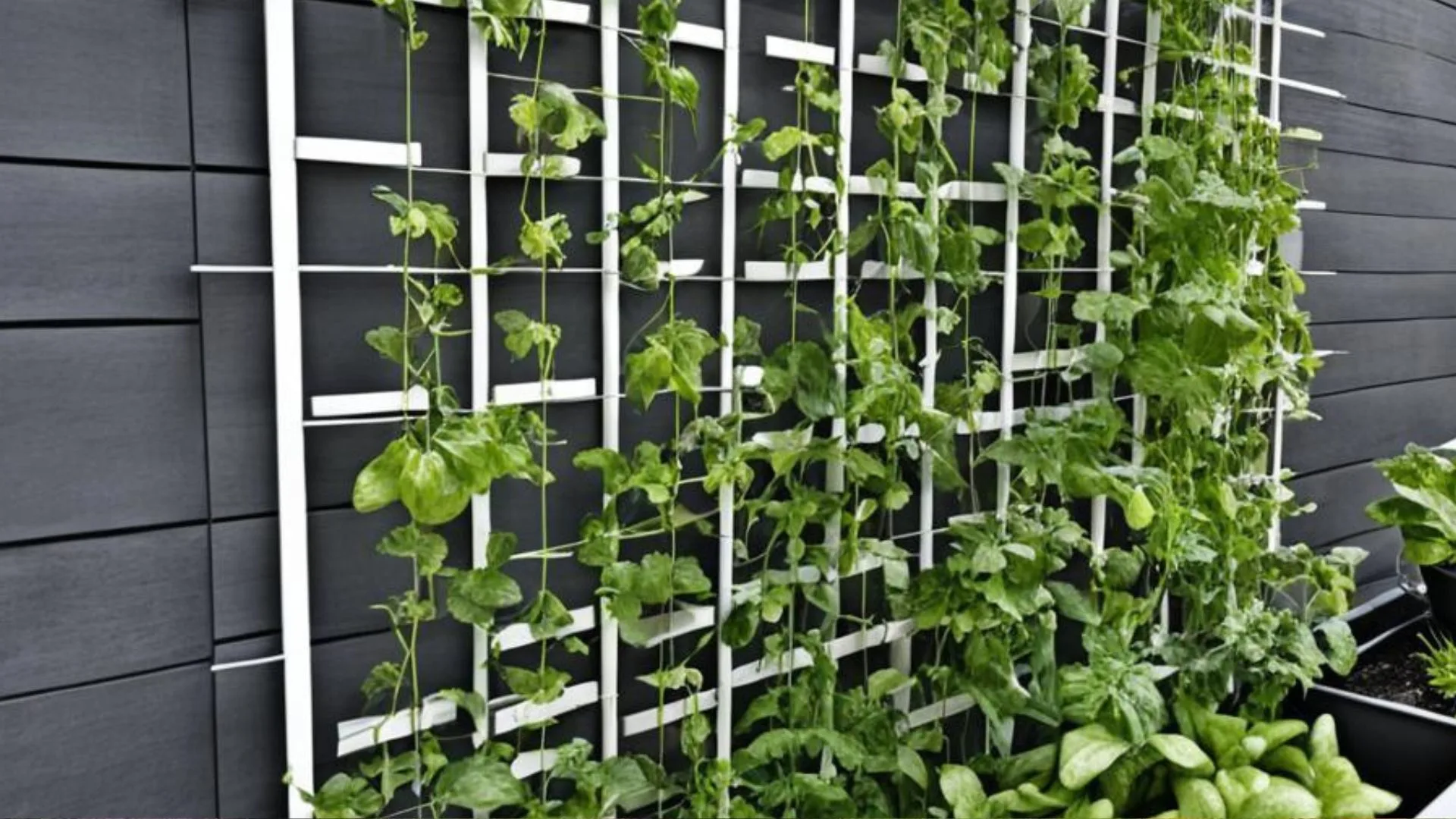
Trellises and climbing plants – A wooden or metal trellis against a fence adds a full layer of greenery without claiming any ground space. Native Florida vines like coral honeysuckle attract pollinators and thrive with minimal care.
Layered planting – Think in three heights: groundcover at the base, mid-height shrubs in the middle, and one or two taller accent plants or small trees at the back. This layering technique creates depth and mimics how plants grow naturally in the wild.
Raised planters and vertical garden walls – These work beautifully on patios and narrow side yards. They also sit above ground-level pests and make watering and pruning far easier.
Expert Tip: When you choose a small tree for a compact yard in Pinellas County, prioritize species with non-invasive root systems. Crape myrtles and dwarf citrus varieties add height, seasonal color, and shade without threatening your foundation, underground utilities, or neighboring fences. A landscape professional can assess the right placement based on your specific soil type and sun exposure – a step that prevents costly removal and root damage down the road.
Hardscaping: Give Your Yard Structure and Serious Curb Appeal
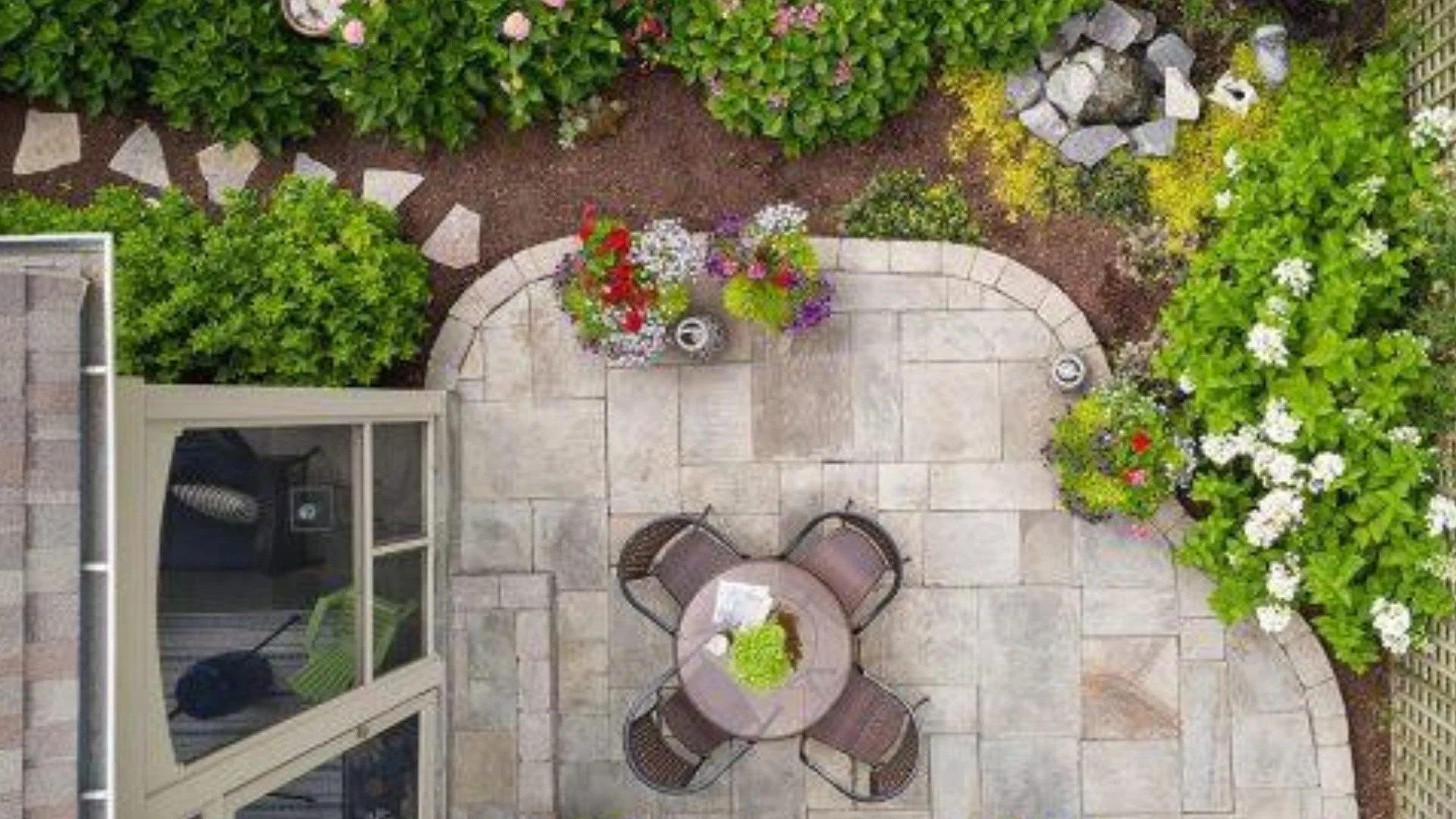
Hardscape – patios, pathways, retaining walls, and edging – often does more design work per square foot than anything else in a small yard, yet homeowners frequently skip it in favor of more plants.
A well-placed paver patio anchors your outdoor space and makes it feel designed rather than default. In Florida’s humid climate, permeable pavers are a particularly smart choice because they let water drain through naturally, reducing the puddles and surface runoff that Pinellas County’s rainy season brings.
For pathways, keep them narrow but clearly defined. A two-foot-wide stepping stone path through a planting bed creates a sense of journey – it gives the yard depth and movement that a plain lawn simply cannot produce.
Clean stone or metal edging along bed borders gives even a small yard the kind of curb appeal that looks intentional and professionally maintained. It also cuts down on upkeep by keeping grass from creeping into your planted areas.
Plant Selection: Florida-Smart Choices for Small Spaces
Plant selection makes or breaks a small backyard. Choosing species that grow too large, spread aggressively, or demand constant pruning turns a compact yard into a never-ending maintenance project.
For Pinellas County homeowners, a few principles guide smart planting:
Right-size everything. Choose plants labeled “dwarf” or “compact” wherever possible. Dwarf Walter’s viburnum, for example, delivers dense evergreen screening without the bulk of its full-size relative.
Use color with intention. Lighter colors – whites, pale yellows, soft blues – visually push boundaries outward. A border of white pentas or pale blue plumbago along the back of a small yard makes the fence feel farther away than it actually is.
Lean on Florida natives. Native plants adapt naturally to Pinellas County’s rainfall patterns and sandy soils, performing their best with minimal irrigation and fertilizer. Muhly grass, coontie, and firebush all thrive in tight spaces and attract local wildlife.
Know your local conditions before you plant a thing. Pinellas County’s sandy, low-nutrient soils drain quickly – which is great for avoiding root rot but means plants need either soil amendment or species that already love lean ground. From June through September, the rainy season dumps several inches of water per week, so low-lying areas need plants that can handle temporary saturation without drowning.
And if your property sits near the bay – as many do in St. Pete, Safety Harbor, and the waterfront neighborhoods of Clearwater – salt spray is a real factor. In those locations, salt-tolerant varieties like beach sunflower, sea oats, and saw palmetto are not just good choices; they are the practical ones. Selecting plants without accounting for these conditions is the single most common reason small yard projects fail within the first two years.
Plan for year-round interest. Florida gives you the rare ability to design for bloom, texture, and color across all four seasons. Layer plants that peak at different times so the yard always offers something worth noticing.
Ground Cover: Ditch the Struggling Turf
In small backyard landscaping, wall-to-wall lawn rarely makes sense. St. Augustine grass – the turf type you will find in the overwhelming majority of Pinellas County yards – needs room to breathe, consistent irrigation, fungicide treatment in humid months, and regular mowing. In a tight yard, it often looks patchy no matter how much effort you put in.
Ground covers offer a smarter path forward. Low-growing plants like asiatic jasmine, liriope, or dwarf mondo grass fill space beautifully, suppress weeds naturally, and need far less water than turf.
Where you do keep grass, consider reducing it to a defined shape – a circle, a rectangle – surrounded by planted beds. This approach gives you the softness of lawn where you actually sit or walk, without spreading it thin across every square foot.
Outdoor Lighting: Make Your Yard Work After Sunset
Lighting is one of the highest-impact, lowest-footprint upgrades you can make in a small yard. It extends your outdoor living space into the evening, adds a layer of safety, and makes the entire area feel more polished and intentional.
In a compact yard, restraint works best:
- Path lighting along walkways and garden borders
- Uplighting on a feature tree, tall ornamental grass, or architectural plant
- String lights over a patio for atmosphere on warm Florida evenings
Solar-powered fixtures have improved dramatically in quality and output – and in Pinellas County, where sun exposure is rarely a problem, they are a practical, wire-free option for most outdoor areas.
Your Pinellas County Yard Has More Potential Than You Think
Small yard landscape ideas deliver the best results when they are built around your specific space, your lifestyle, and the real conditions of Florida’s climate. Generic plans rarely account for your soil composition, drainage patterns, sun exposure, or the difference between what grows effortlessly in Clearwater versus what needs a bit more coaxing in downtown St. Pete.
Unlike a one-size-fits-all design service, Pinellas Landscaping works exclusively in Pinellas County – which means every recommendation we make accounts for your specific neighborhood’s soil type, rainy season drainage, salt exposure, and sun patterns. We don’t apply a template. We design for your yard. Small yard projects are often more affordable than homeowners expect – and landscape design costs in Pinellas County for compact properties become even more manageable when plant selection and phased installation are built into the original plan.
Book a consultation with Pinellas Landscaping today and let’s turn every square foot of your outdoor space into something you are proud to come home to.